
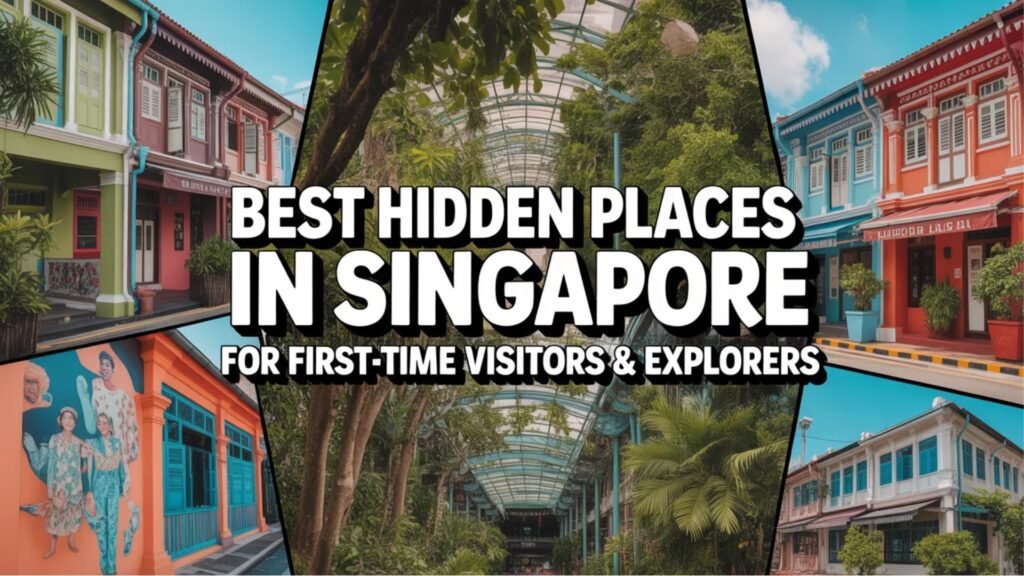
TBest Hidden Places in Singapore for First-Time Visitors & Explorers (2026 Ultimate Guide)
Okay so… you’ve probably landed at Changi Airport, grabbed your bags, and immediately opened Google Maps to find Marina Bay Sands. Totally fair. Everyone does it. But here’s the thing nobody actually tells you — Singapore is hiding entire worlds behind that glittery skyline. Real worlds. A kampong where chickens roam dirt paths in the shadow of fifty-storey HDB flats. A forested hilltop hiding inside the CBD. Offshore islands so quiet you’ll hear your own heartbeat.
Well, this isn’t your standard Singapore city guide that just regurgitates the same five attractions. This is the complete travel guide for the version of Singapore that locals quietly love and tourists almost never find. The hidden places in Singapore covered here — from forgotten cemeteries to rooftop farms to kampong lanes — are genuinely extraordinary. And most of them? Completely free.
So yeah. Let’s actually go to Singapore.
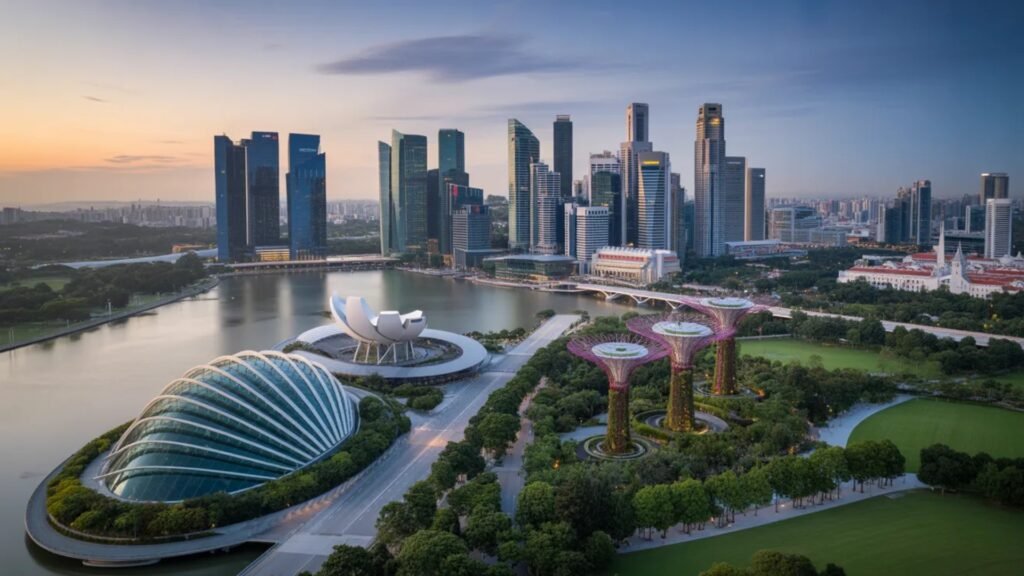
Why Visit Singapore? (Overview of the Green City)
People underestimate Singapore constantly. They hear “expensive city-state” and assume there isn’t enough to fill a week. I mean… that thinking is just wrong. This city punches so far above its weight that it’s almost unfair to other destinations. It’s the only city-state in Southeast Asia. It’s also arguably Asia’s most liveable city — consistently ranking in the global top three for safety, cleanliness, and infrastructure quality.
What makes it genuinely special though isn’t the rankings. It’s the contrast. One minute you’re in a glass-and-steel business district, the next you’re wandering through a hundred-year-old Chinatown Singapore shophouse. Turn one more corner and… monkeys. Actual monkeys, in the middle of a city of six million people. That’s green city Singapore doing exactly what it promised — nature woven so deeply into urban life that the line between them basically disappears.
What Makes Singapore Unique?
Okay, think about this. Four cultures — Chinese, Malay, Indian, Eurasian — living together in 733 square kilometres. Four official languages. Temples, mosques, churches, and Hindu shrines sharing the same street. Singapore isn’t just multicultural as a description. It’s multicultural as architecture, as food, as daily life.
The Civic District Singapore shows you colonial grandeur. Kampong Glam gives you Arab calligraphy and Turkish tiles. Little India Singapore hits you with jasmine and drumbeats. Katong shophouses whisper Peranakan history in pastels. All of this, connected by one of the world’s most efficient metro systems. No other city packs this kind of cultural density into something you can walk across in two hours.
A Blend of Nature, Culture & Modern Life
Here’s something most Singapore sightseeing guide articles skip completely. Over 47% of Singapore’s land area is still green. In one of the world’s most densely populated nations. That number still surprises me every time I say it.
The Singapore Green Plan 2030 isn’t just branding — it’s legally binding national policy. And because of it, you can be in genuine primary rainforest twenty minutes after leaving a Michelin-starred restaurant. Singapore parks aren’t ornamental. They’re functioning ecological corridors with wildlife that genuinely lives there — hornbills, flying lemurs, even saltwater crocodiles in the northwestern reserves. That’s the Singapore nobody puts on a postcard.
Is Singapore Worth Visiting?
Short answer — yes. Long answer — especially in 2026. New cultural precincts keep opening. Heritage conservation is actively funded. And the unique things to do in Singapore just keep multiplying. Urban farms, canopy walks, free light shows, UNESCO-recognised hawker stalls that charge less than a cup of airport coffee.
Yes, Singapore has an expensive reputation. But — and this matters — hawker centre meals cost between SGD $5 and $10 per serving, a fraction of restaurant costs, while delivering Singapore’s UNESCO Intangible Cultural Heritage food culture. The Broke Backpacker Use the MRT. Sleep in Chinatown. Eat at hawker centres. You’ll genuinely manage on SGD $80–120 a day. The city rewards smart travellers more generously than almost anywhere in Asia.
Top Must-See Attractions in Singapore
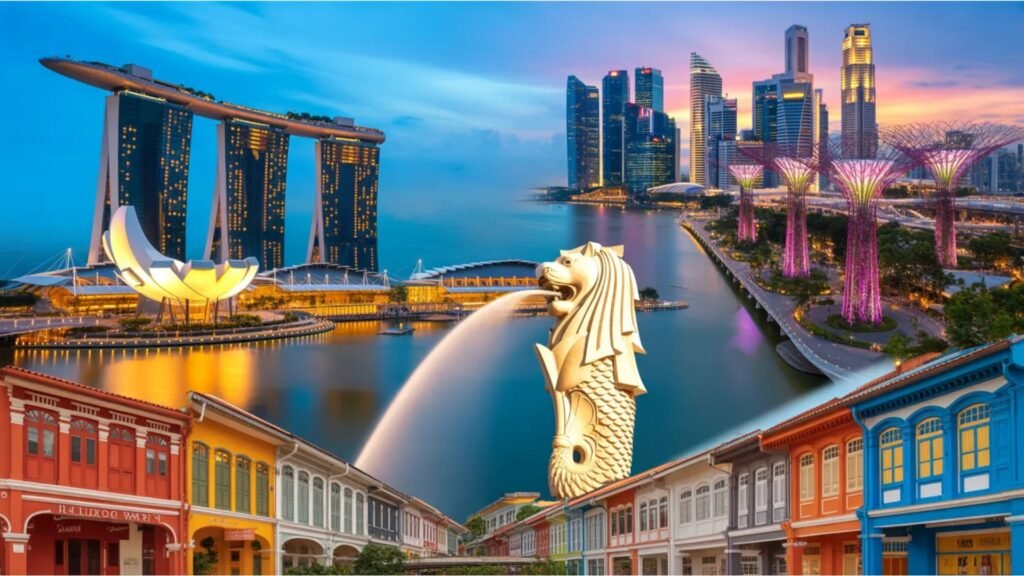
Right, so before you go hunting for the hidden places in Singapore this guide is built around, it actually helps to start with the icons. Not because they’re the best part — they’re not — but because they give you context. They explain why this city works the way it does. And they make the hidden corners you’ll discover afterward feel even more surprising by contrast.
Use these Singapore must see places like orientation points. Hit one on arrival evening. Then spend the rest of your trip going deeper. That’s the formula that actually works here.
Marina Bay Sands & SkyPark Experience
Okay, I know. Everyone’s photographed this. You’ve seen it a thousand times. Still. Standing on the SkyPark observation deck at 200 metres, watching the Singapore skyline turn gold at sunset — it’s just… something else. Nothing prepares you for how cinematic it actually looks in real life.
Non-hotel guests pay around SGD $26 for the observation deck. The infinity pool is hotel guests only, so unless you’re spending ~SGD $500/night, you’re looking from above rather than swimming in it. Book online in advance. Sunset slots sell out every single day. The full experience — deck visit, wander down to Merlion Park, catch the free Spectra show at 8 PM — makes a perfect first evening in Singapore.
Gardens by the Bay & Supertree Grove
The Supertree Grove has 18 vertical structures up to 50 metres tall, covered in 162,900 plants. At 7:45 PM and 8:45 PM every night, they light up for the free OCBC Garden Rhapsody show. That part — completely free. The Cloud Forest Dome, a mountain draped in tropical vegetation inside a glass dome, costs around SGD $14 for adults and is genuinely one of the most stunning indoor spaces in Asia. The Flower Dome, the world’s largest glass greenhouse, holds plants from five Mediterranean climate zones.
Actually, I’d say just spending the afternoon in the free outdoor Supertree Grove area — wandering, sitting, watching the sunset hit those trees — beats a lot of paid attractions in other cities. Arrive at 7:30 PM for the evening show. Find your spot early. Brings snacks.
Merlion Park & Light Show
Merlion Park is free. Always open. The 8.6-metre half-lion, half-fish statue is right on the waterfront — best photographs come from across the bay, where you frame the Merlion and Marina Bay Sands together over the water.
The real reason to be here in the evening is the Spectra light and water show. Every night at 8 PM. Fifteen minutes of laser beams, water jets, and orchestral sound bouncing across Marina Bay. Free. The Helix Bridge glows silver nearby. The whole waterfront becomes something genuinely cinematic. Combine Merlion Park, Spectra, and a satay dinner at Lau Pa Sat — that’s your perfect first Singapore night, sorted.
Singapore Botanic Gardens (UNESCO Site)
Botanic Gardens Singapore is Singapore’s first UNESCO World Heritage Site. The only tropical botanic garden on the entire UNESCO list. Entry — almost completely free. The National Orchid Garden inside costs SGD $5 for adults and houses over 1,000 orchid species.
Come before 8 AM. Seriously. The early morning light through those ancient trees, with nothing but birdsong and the occasional monitor lizard crossing the path — it’s genuinely beautiful in a way that’s hard to explain. Free outdoor concerts happen Sunday mornings at the Shaw Foundation Symphony Stage. Take the MRT to Botanic Gardens station. Bring water. Wear shoes you can walk properly in. This is one of the finest free things to do in Singapore and most visitors rush through it. Don’t.
Best Hidden Gems in Singapore (Local Secrets)
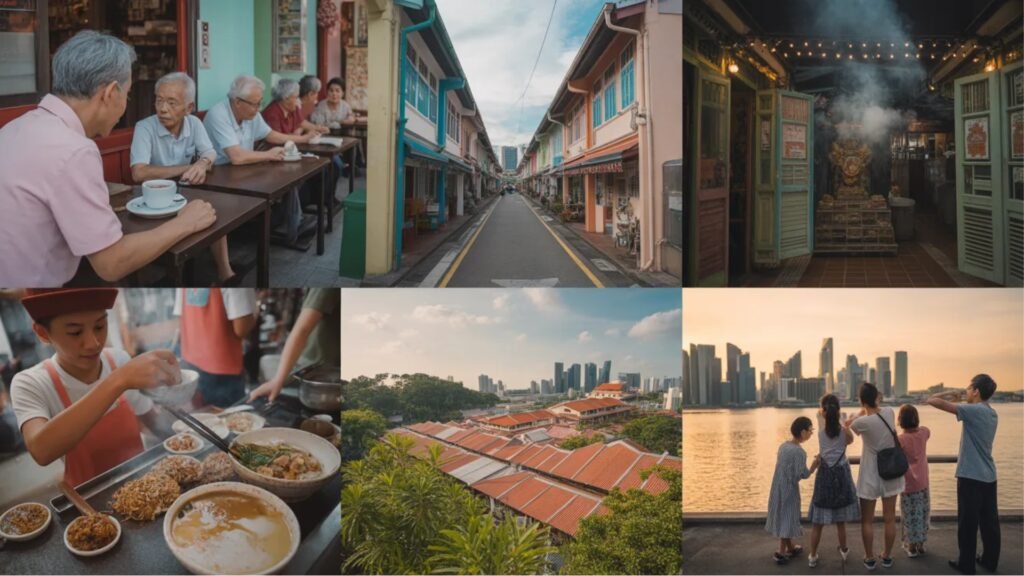
Okay. Here’s where this Singapore backpacking guide actually earns its place. Forget the standard tourist trail for a moment. The real hidden places in Singapore don’t advertise themselves. There are no tour buses parked outside. No Instagram crowds jostling for the same angle. Just genuine, layered, extraordinary Singapore doing what it’s done for decades — quietly existing, fully formed, completely worth finding.
These four spots represent what off the beaten path travel in Singapore actually looks like. Not obscure for the sake of it. Just real places carrying real stories, almost entirely missed by the standard itinerary.
Tiong Bahru – The Trendy Heritage District
Built in the 1930s by the Singapore Improvement Trust, Tiong Bahru is Singapore’s oldest public housing estate — and it somehow became effortlessly cool without losing any soul. The curved, streamlined art deco architecture, some of the finest in Asia, now shelters indie bookshops, craft bakeries, and third-wave coffee roasters. BooksActually on Yong Siak Street is genuinely one of Asia’s best independent bookshops — stacked floor-to-ceiling, run with passion, absolutely worth an hour.
The Tiong Bahru Market second floor runs some of the best breakfast hawker stalls in Singapore. Chwee kueh. Kaya toast. Teh tarik poured from impossible height. All before 9 AM, all under SGD $4. One MRT stop from Clarke Quay, but a completely different world. This is a proper best places in Singapore pick that doesn’t get the attention it deserves.
Lorong Buangkok – Last Traditional Kampong
Okay so imagine this. You exit Buangkok MRT, walk through completely ordinary HDB blocks for ten minutes, turn a corner — and suddenly there are chickens on a dirt path. Wooden houses with zinc roofs. Overhead electrical cables sagging between old-style lampposts. 25 families still live in this kampong, and the land has shrunk to three football fields — the other land was sold back to the government to build the HDB flats that now surround it. The Urban List
This is Lorong Buangkok. Singapore’s last kampong on the mainland. It’s been around since 1956, and with its exposed electrical lines and four-digit postal code street signs, it’s obviously as old as many of our boomer parents. Amazon Visit respectfully — this is a private residential community, not a tourist exhibit. You should not visit unannounced; small group private tours of up to five people are offered by guides who have spent years at the kampong. Tripadvisor Book through Let’s Go Tour Singapore or Seek Sophie for authorised access. Entry itself is free.
Pearl’s Hill City Park Escape
Most people walk straight past the entrance. Seriously — it’s right next to Outram Park MRT and still almost nobody knows it exists. Pearl’s Hill City Park rewards a short uphill walk with sweeping city views, complete silence, and a wild atmosphere that feels entirely wrong for its central location.
Old colonial-era reservoirs and red brick water infrastructure from the 1850s sit slowly being consumed by tropical vegetation. Long-tailed macaques observe you with mild irritation. The trail system is simple and manageable even in casual footwear. It’s one of those Singapore parks that locals use for midday escapes — and on a weekday afternoon, you’ll genuinely have the entire hilltop to yourself. Free to enter. Always open. One of the best kept hidden spots in Singapore’s city centre.
Bukit Brown Cemetery Stories
Over 100,000 graves spread across Bukit Brown — Singapore’s most historically significant burial ground. Most tourists drive past on the expressway above, completely unaware it exists below them. That’s somehow perfect.
Raffles-banded langurs swing between vine-covered tombstones. Hornbills roost overhead. Colonial-era merchants, Peranakan matriarchs, and Singapore’s earliest pioneers rest beneath granite markers half-swallowed by rainforest. Weekend heritage walks, led by passionate volunteer guides, bring the history dramatically alive — stories spanning the entire arc of modern Singapore, told in stone and vegetation. Entry is free. Go early morning or late afternoon — midday heat in an open cemetery without shade is genuinely brutal. Take bus 151 from Bishan MRT. Bring insect repellent. Bring curiosity. This is one of the most extraordinary hidden places in Singapore and it’s almost entirely overlooked.
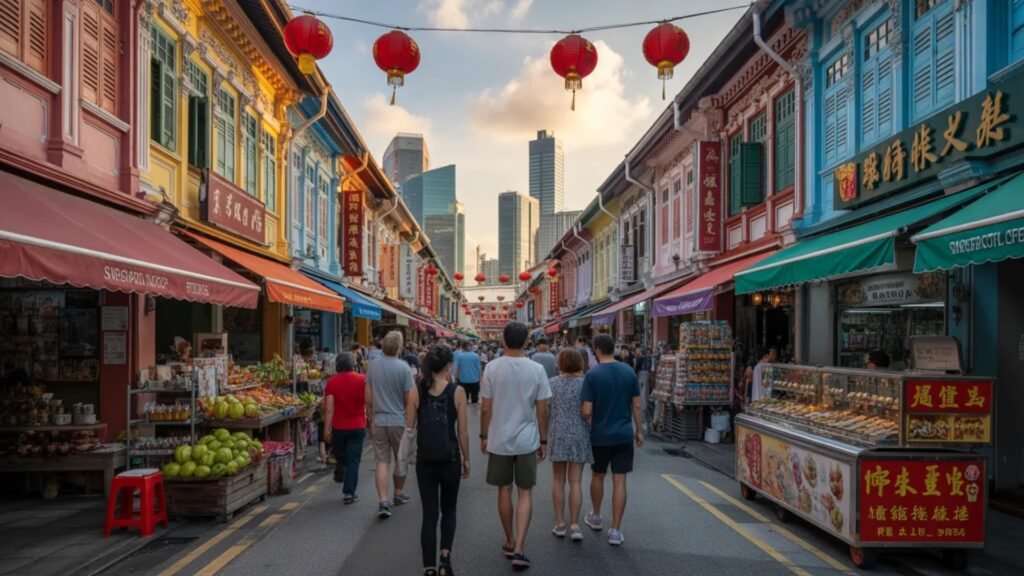
Explore Singapore’s Cultural Neighborhoods
Here’s what most Singapore sightseeing guide articles get wrong. They describe the cultural enclaves like they’re museums. They’re not. These are living communities — people cooking in their own kitchens, praying in their own temples, raising children in the same narrow shophouses their grandparents occupied. The Urban Redevelopment Authority preserves the facades and streetscapes by law, which means the heritage survives without becoming performative.
Walk these neighbourhoods slowly. Eat from the street carts. Peer through open temple doorways. You genuinely don’t need a guide, a ticket, or a plan. Just time — and the willingness to get slightly lost.
Kampong Glam & Haji Lane (Art & Cafes)
Haji Lane street art fills every available surface — murals spanning entire building sides, in styles ranging from Malay geometric abstraction to Japanese pop art. Shophouses painted cobalt and mint green house boutiques selling batik fabric alongside vinyl records. By day it’s wonderfully bohemian. By night, especially Thursday through Saturday, live music pours from tiny bars and the whole lane fills with locals on tables pushed into the narrow pavement.
The Sultan Mosque’s golden dome anchors the entire Kampong Glam precinct. Arab Street’s textile and homeware shops are brilliant for slow browsing. Zam Zam Restaurant on North Bridge Road — established 1908 — serves some of the finest murtabak in Singapore. This neighbourhood is one of those Singapore cultural places that looks exactly as good in person as it does in photographs. Which almost never happens.
Chinatown’s Temples & Street Markets
Chinatown Singapore doesn’t simplify. It just keeps adding layers. Sri Mariamman Temple — Singapore’s oldest Hindu temple, built 1827 — stands on South Bridge Road with its entrance tower covered in hundreds of painted deities. The Buddha Tooth Relic Temple houses what’s believed to be a tooth relic of the historical Buddha, displayed in a gold stupa on the fourth floor. Both welcome respectful visitors completely free of charge.
For food, the Chinatown Complex Food Centre on Sago Lane is the serious one. Many stalls are run by elderly masters who’ve been cooking the same dish for forty-plus years. You can also eat at Hong Kong Soya Sauce Chicken Rice — also known as Hawker Chan — the world’s most affordable Michelin-starred restaurant. City Unscripted Ann Siang Hill has some of Singapore’s most interesting bars in colonial shophouses. The whole area rewards slow, wandering, unplanned exploration.
Little India’s Colors & Culture
Step off the MRT at Little India and your senses get immediately and wonderfully overwhelmed. Jasmine garlands stacked outside flower sellers. Roti prata frying in ghee. The bells of Sri Veeramakaliamman Temple ringing through the street during prayer time.
The Tekka Centre hawker market on Buffalo Road is essential. It’s the must-visit spot for authentic South Indian cuisine — biryanis, murtabak, roti prata — and it also houses a wet market and textile stalls, making it a genuine cultural experience beyond just food. City Unscripted Allauddin’s Biryani inside Tekka holds a Michelin Bib Gourmand. Costs SGD $7 and takes ten minutes to eat. One of the finest Singapore vacation ideas for food-focused travellers is simply spending an entire morning in Little India Singapore with no plan other than eating.
Katong’s Pastel Houses & Peranakan Heritage
Katong shophouses are Singapore at its most visually extraordinary. Koon Seng Road’s terrace houses — intricate plasterwork in cream and dusty pink, Portuguese tilework, carved timber eaves — date from the 1920s and were built by the Straits-born Chinese Peranakan community. A culture with its own cuisine, language, fashion, and ceremonies that blends Chinese and Malay traditions into something entirely unique.
Joo Chiat Road is brilliant for slow wandering. Peranakan museums, heritage bakeries, traditional textile shops. But the real reason to come here? Katong laksa. The noodles are cut short so you can eat the whole bowl with just a spoon. Try 328 Katong Laksa on East Coast Road. No forks, no reservations, SGD $5.50 a bowl, and genuinely one of the best things you’ll eat in Singapore.
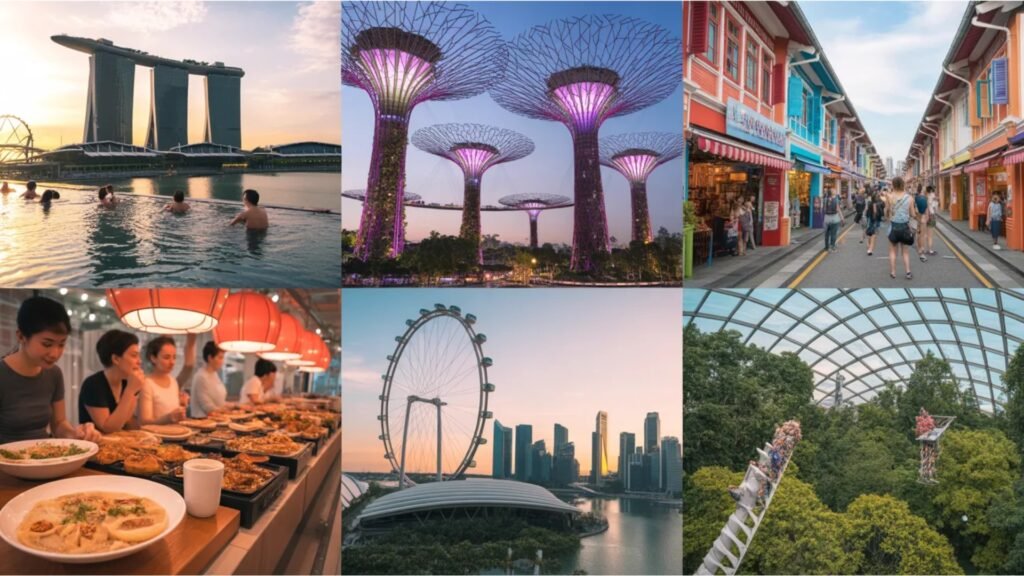
Unique Things to Do in Singapore
Standard Singapore trip planner itineraries point you at Universal Studios. And look — fine. But the genuinely unique things to do in Singapore exist almost entirely off that standard route. Urban farms growing food on hospital rooftops. Offshore islands reachable for a few dollars by wooden bumboat. Canopy walks through primary rainforest where you might spot a flying lemur. These are experiences locals brag about to visiting friends — and they barely appear in mainstream travel content.
The best news for budget travel Singapore travellers? Most of them are free. Or nearly free. Free things to do in Singapore are genuinely plentiful — you just need a slightly different map than the one most people use.
Join a Free Walking Tour
Free walking tours through Chinatown Singapore, Kampong Glam, Little India Singapore, and the Civic District Singapore run most mornings, led by volunteers and local guides who do it because they genuinely love their city. These aren’t corporate bus-and-headset affairs. They’re conversational, flexible, and stuffed with hyper-specific local knowledge that no guidebook captures.
The kind of stories you hear — the temple that shares a censer with the Buddhist monks next door because both communities ran out of space, the shophouse hiding a WWII-era opium den beneath the floorboards — are completely irreplaceable. Check current schedules at Indie Singapore and Free Tours by Foot Singapore. Book ahead. Tip generously. Your guide earns it completely.
Experience Urban Farming (Edible Garden City)
Urban farming Singapore isn’t a trend here. It’s national food security policy wrapped in community education. Edible Garden City (ediblegardencity.com) has been transforming Singapore’s relationship with food production since 2012 — installing productive gardens on hospital rooftops, school grounds, hotel terraces, and community plots across the island.
Their public workshops teach hydroponic growing, composting, and seed-saving to anyone who turns up. The Funan Mall rooftop Sprouts farm is publicly accessible during opening hours. The Queenstown community garden on Margaret Drive is open daily. It’s a fascinating dimension of eco-friendly travel Singapore that the typical itinerary completely ignores — and it says something remarkable about a city that decided urban land was too valuable not to grow food on.
Visit Singapore’s Offshore Islands (Kusu & St John’s)
Did you know Singapore is surrounded by more than 60 small islands? Most tourists never board the bumboat. Their genuine loss. Kusu Island holds a Malay shrine dedicated to a tortoise spirit and a Taoist temple clinging to a frangipani-draped hillside. The swimming lagoon is warm, calm, and almost empty on weekdays. St John’s Island — formerly a quarantine station and drug rehabilitation centre — has hiking trails, picnic spots, and a quietly haunted atmosphere that makes exploring its forest paths genuinely atmospheric.
For the full Singapore islands guide experience including wildlife, do the Pulau Ubin trip — a 10-minute bumboat ride from Changi Point Ferry Terminal for SGD $4 each way. Hire a bicycle for SGD $10–15 and spend the day in secondary forest and coastal mangrove.
| Island | Ferry Time | Return Cost | Best For |
|---|---|---|---|
| Kusu Island | ~50 min | SGD ~$18 | Temples, swimming lagoon |
| St John’s Island | ~30 min | SGD ~$18 | Nature trails, history |
| Lazarus Island | Adjacent to St John’s | SGD ~$18 | Beaches, complete quiet |
| Pulau Ubin | 10 min bumboat | SGD ~$4 | Cycling in Singapore, wildlife |
Explore MacRitchie Treetop Walk
A 250-metre suspension bridge slung 25 metres above primary rainforest canopy. It sways gently. Below you — nothing but ancient tree crowns and the calls of animals you’ll hear but probably never see. The MacRitchie Treetop Walk is one of Asia’s finest urban wilderness experiences and it costs you absolutely nothing to enter.
Long-tailed macaques, flying lemurs, and monitor lizards inhabit these trails. The bridge requires a 3–4 hour forest hike through the reservoir trail system to reach — deliberately hard to get to, which keeps the crowds manageable. Start at the Ranger Station carpark off Venus Drive, accessible by bus from Bishan MRT. Go before 8 AM. Carry 1.5 litres of water minimum. The bridge closes automatically during lightning alerts. More information from National Parks Board.
Food Guide: Eat Like a Local in Singapore
Here’s the honest truth. Singapore food culture is the city’s greatest cultural institution. Not a museum. Not an orchestra. A hawker centre. This is where Singaporeans settle arguments, celebrate promotions, and simply exist together across ethnicity and income bracket — sharing tables, pushing plates across to strangers, arguing about which chicken rice is definitively the best.
Hawker centres serve as community dining rooms where people from diverse backgrounds gather and share the experience of dining over breakfast, lunch and dinner — and activities like chess-playing, busking and art-jamming also take place. Jill on journey That’s not marketing. That’s just Tuesday at Maxwell Food Centre.
Hawker Centers & Street Food Culture
Hawker centers Singapore are open-air, government-managed food complexes housing dozens of individual stalls, each specialising in one or two dishes their operators have often refined across multiple generations. There are over 100 hawker centres in Singapore with over 6,000 food stalls operating within them. Roy Tells Tales And Singapore’s hawker food scene was recognised by Michelin in 2016 with the world’s first street food Michelin star, and by UNESCO in 2020 with Cultural Heritage status. Timeout
The etiquette matters: tables are shared with strangers, reserved seats get marked with tissue packets — don’t move them — and you order from individual stalls and carry your own food back. Maxwell Food Centre near Chinatown MRT is globally famous. Old Airport Road Food Centre in Mountbatten is what most locals actually consider the best. Street food Singapore at its most authentic costs SGD $3–6 per dish. Go hungry. Stay longer than planned.
Must-Try Dishes (Chilli Crab, Laksa, Satay)
Chilli crab Singapore — mud crab cooked in a sweet, spicy, egg-laced tomato-chilli gravy — is a genuinely messy, magnificent experience. Budget around SGD $60 for a medium crab at a decent seafood restaurant. Laksa noodles in their Katong form come with coconut-spice broth, cockles, tofu puffs, and short-cut noodles you eat with a spoon. Under SGD $6. Satay grilled over charcoal at Lau Pa Sat on Friday and Saturday nights draws queues around the block.
Roti prata with fish curry anchors every proper Singapore breakfast. Teh tarik — pulled tea, poured from height, warm and frothy — is the right drink for everything else. There’s also the ‘Michael Jackson’ — a black-and-white beverage of soya milk containing refreshing squares of grass jelly — a local drink unique to Singapore. Mercure
| Dish | Where to Find | Price |
|---|---|---|
| Chilli crab Singapore | Jumbo Seafood, East Coast Lagoon | SGD $50–80 |
| Laksa noodles | 328 Katong Laksa | SGD $5.50 |
| Satay | Lau Pa Sat Satay Street (Fri–Sat) | SGD $0.80/stick |
| Hainanese Chicken Rice | Tian Tian, Maxwell Food Centre | SGD $3–5 |
| Roti prata | Springleaf Prata Place | SGD $1.20–3 |
| Teh tarik | Any hawker centre | SGD $0.90–1.50 |
Best Food Spots in Chinatown & Tiong Bahru
Chinatown Singapore’s food geography splits cleanly. Chinatown Food Street on Smith Street is lively and visitor-friendly — char kway teow, claypot rice, barbecued stingray. The Chinatown Complex Food Centre on Sago Lane is the serious version, where elderly masters serve dishes they’ve cooked for forty years. Head to Hawker Chan on Keong Siak Road for the world’s most affordable Michelin-starred meal. City Unscripted
Tiong Bahru Market’s second floor runs some of Singapore’s best local Singapore cuisine breakfasts. The chwee kueh (steamed rice cakes topped with preserved radish) stall has operated since the 1970s. The best way to visit the Tiong Bahru Food Centre is to go in the morning, then explore the rest of the neighbourhood afterward. Roy Tells Tales Arrive before 9 AM. The queues after that are genuinely committed.
Where Locals Really Eat
The places locals actually love don’t appear in hotel concierge recommendations. Old Airport Road Food Centre in Mountbatten is an enormous complex built on the site of Singapore’s first commercial airport — most Singaporeans quietly consider it the finest all-round hawker destination on the island. Chomp Chomp in Serangoon is the neighbourhood institution for night-time barbecue seafood: charcoal-grilled stingray with sambal, oyster omelettes, Hokkien mee, cold beer, plastic chairs.
These are the Singapore travel tips that actually change how you eat here. Skip the hotel restaurant. Skip the mall food court. Eat where the uncle at the char kway teow stall has been doing the same job for forty years. And it shows. Every single plate.
Singapore’s Green Spaces & Nature Escapes
Green city Singapore isn’t a slogan. It’s structural policy. Over 47% of the land area remains green in one of the world’s most densely populated nations. The Singapore Green Plan 2030 mandates planting one million new trees and ensuring every household lives within a 10-minute walk of a park. Singapore parks are functioning ecological corridors, not ornamental gardens. Wildlife lives in them. Actually lives there.
Eco-friendly travel Singapore enthusiasts genuinely find this city surprising. The park connector network spans over 350 kilometres of linked green corridors. Cycling in Singapore through these connectors — from eastern beaches to western reservoir parks — is extraordinary. The boundary between urban and wild dissolves in ways that feel impossible for a city this size.
Southern Ridges Walk
The Southern Ridges walk connects five parks — Mount Faber, Telok Blangah Hill, Henderson Waves Bridge, Alexandra Park Connector, and Kent Ridge Park — across roughly 10 kilometres of elevated forested walkway. Free. Almost entirely shaded. The Henderson Waves Bridge — a sculptural wave of yellow balau wood suspended 36 metres above the forest floor — is one of Singapore’s most beautiful pieces of public infrastructure.
Takes 2–3 hours at relaxed pace, ending near Haw Par Villa MRT. Morning starts before 7:30 AM mean cooler temperatures and occasional mist hanging over the canopy. Carry water. The views over the Singapore skyline from Mount Faber, and over the container port from Telok Blangah Hill, are genuinely extraordinary — and completely free. One of the best free things to do in Singapore that almost nobody prioritises on their first visit.
East Coast Park & Cycling Trails
East Coast Park stretches 15 kilometres along Singapore’s southern coastline and functions as the city’s outdoor living room on weekends. Free to enter. Bicycle hire from SGD $8–12 per hour at shops clustered near the park entrances. The cycling path runs the entire length — flat, well-maintained, always buzzing with families and fitness types on Saturday mornings.
The beach is reclaimed land — it won’t compete with the Maldives. But the energy here is irreplaceable. Barbecue pits lit before sunrise. Kite-fliers staking out the windiest patches. Windsurfers rigging gear in the dark. End any visit at the East Coast Lagoon Food Village right on the waterfront — hawker centers Singapore at their most atmospheric, with barbecue seafood and ice-cold teh tarik as the sun drops. Singapore Sports Hub cycling guide has trail maps.
Sungei Buloh Wetland Reserve
Sungei Buloh Wetland Reserve hides in Singapore’s northwest corner. Most tourists never make the journey and it is, genuinely, their loss. This UNESCO ASEAN Heritage Park protects mangrove forest, mudflats, and freshwater ponds hosting over 500 bird species — including migratory shorebirds arriving from Siberia between September and March. Estuarine crocodiles patrol the mudflats. Monitor lizards pace the elevated boardwalks.
Entry costs SGD $1. Take the MRT to Kranji, then bus 925. Go at low tide, early morning or late afternoon. The contrast between the gritty industrial approach road and the breathtaking reserve when you arrive makes the journey feel almost cinematic. More details at National Parks Board Sungei Buloh.
Hidden Nature Spots Tourists Miss
Zhenghua Nature Park near Bukit Panjang shelters a secondary forest corridor rich with long-tailed macaques and Sunda colugos — flying lemurs — gliding between trees at dusk. Thomson Nature Park preserves the ruins of a Hainan Chinese village abandoned in the 1980s, now almost entirely consumed by secondary forest. The Sengkang Riverside Park floating wetlands system is one of Singapore’s most genuinely undiscovered natural sites.
Coney Island Singapore — a narrow island connected to Punggol by bridge — protects secondary forest and coastal scrub along a free 2.4-kilometre trail. None of these appear in standard tourist literature. All reachable by public transport. All completely free. These are the real hidden spots — the ones that even Singaporeans sometimes don’t know exist.
Where to Stay in Singapore (Best Areas & Hotels)
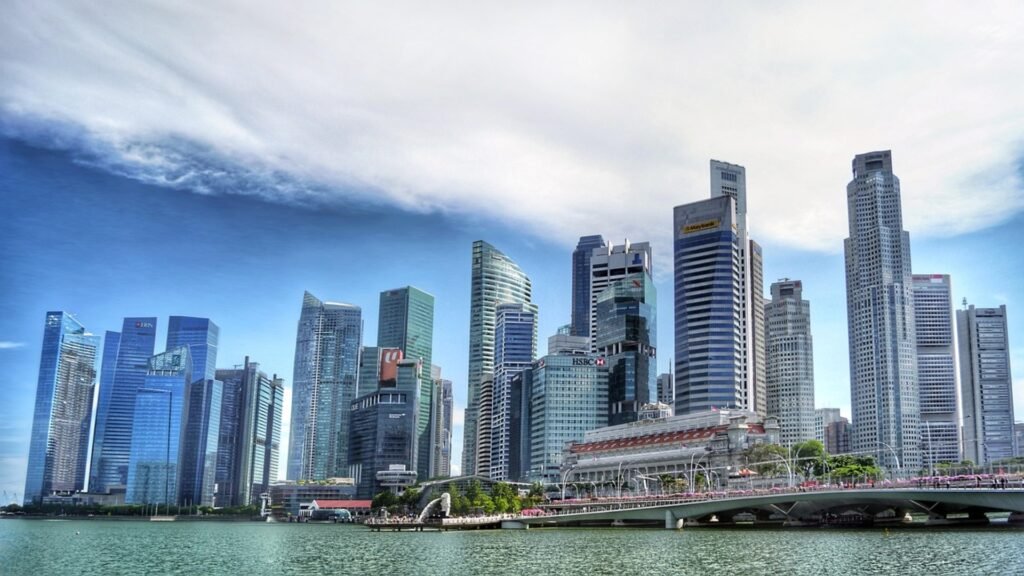
Where to stay in Singapore matters more than in most cities because the MRT Singapore network, while excellent, still takes time. Staying near a well-connected station in the right neighbourhood shapes your entire experience differently. Marina Bay gives you luxury and spectacle. Chinatown Singapore gives you heritage and value. Kampong Glam gives you creative, bohemian energy.
For Singapore backpacking guide purposes — stay in Chinatown or Little India. Boutique hostels with genuine character start at SGD $40/night and put you a short MRT ride from everything. For budget travel Singapore in general: the accommodation is the big spend. Control it here and the rest of the city becomes very manageable.
Marina Bay (Luxury Stay Options)
Marina Bay Sands starts at approximately SGD $500/night. That infinity pool, that skyline view, that sense of sheer cinematic excess — it’s worth it once, if the budget allows. The Fullerton Hotel — a 1928 neoclassical former General Post Office — offers heritage grandeur at comparable rates and genuinely outstanding service. Four Seasons and Ritz-Carlton Singapore both occupy this precinct. The neighbourhood’s walkability to Gardens by the Bay, Merlion Park, the ArtScience Museum, and the Helix Bridge makes the premium feel more justified. Book at least six weeks ahead for any weekend stay.
Chinatown (Budget & Boutique Hotels)
Chinatown Singapore delivers Singapore’s finest value accommodation without sacrificing location or character. The Adler Luxury Hostel on South Bridge Road is routinely voted among Asia’s finest boutique hostels. Heritage shophouse hotels on Club Street and Ann Siang Hill combine 1920s architecture with modern amenities — boutique doubles from around SGD $120/night. Dormitory beds from SGD $40.
Chinatown MRT connects the neighbourhood to everywhere in minutes. Maxwell Food Centre is five minutes’ walk for a SGD $4 breakfast. Sri Mariamman Temple is around the corner. This is genuinely one of the best places in Singapore to base yourself for any budget level — the location, value, and character combination is difficult to beat anywhere in Southeast Asia.
Kampong Glam (Trendy Stays)
Kampong Glam‘s boutique accommodation attracts creative, independently-minded travellers specifically. The Wanderlust Hotel on Dickson Road — each floor themed by a different international designer — remains Singapore’s most conceptually interesting place to sleep. Haji Lane is literally your doorstep. The Sultan Mosque is two minutes’ walk. Arab Street’s shops fill your mornings.
Rates sit in the SGD $150–280/night range for boutique doubles, significantly below Marina Bay equivalents and with considerably more personality. The neighbourhood’s proximity to Clarke Quay nightlife — short taxi or cycling distance — means evenings don’t need planning. This is Singapore vacation ideas gold for travellers who want character over corporate polish.
Eco-Friendly & Green Hotels
Green buildings Singapore have moved far beyond token rooftop gardens. The Parkroyal Collection Pickering — its stepped terraces draped in 15,000 plants — reduces the building’s urban heat island effect measurably and remains Singapore’s most architecturally celebrated sustainable travel Singapore accommodation. COMO Metropolitan Singapore carries genuine rather than performative environmental credentials.
The Singapore Tourism Board’s Green Mark certification scheme now covers over 60 hotels across all price categories. These aren’t niche choices anymore — eco-friendly travel Singapore accommodation options range from budget-friendly certified guesthouses in Chinatown to five-star sustainably-operated properties in Orchard Road. More details at Singapore Tourism Board Green Hotels.
Travel Tips & Practical Information
Right. Practical stuff. This is the part of every Singapore city guide that people skim — then desperately wish they’d read when they’re standing at an MRT machine with four bags and no EZ-Link card. Don’t be that person. Singapore is extraordinarily well-organised. But small logistical mistakes still cost time and money here, same as anywhere.
The Singapore travel tips below are the ones that actually change your experience — not the obvious “drink tap water” stuff, but the specific knowledge that separates relaxed exploration from frantic rushing.
Best Time to Visit Singapore
Best time to visit Singapore — February through April, full stop. Lowest average rainfall. Temperatures around 28–32°C. Clearest days for outdoor exploration. Singapore sits one degree north of the equator so it’s always warm and humid, but the Northeast Monsoon from November through January brings significantly heavier rain that disrupts outdoor plans. The Singapore Food Festival in July is genuinely worth planning around. Chinese New Year in late January or February transforms Chinatown Singapore into one of Asia’s most spectacular festival environments.
| Month | Rainfall | Temperature | Events |
|---|---|---|---|
| Feb–Apr | Low | 26–32°C | Best weather window |
| May–Jul | Moderate | 27–33°C | Food Festival (July) |
| August | Moderate | 27–33°C | Night Festival |
| Sep–Oct | Moderate | 26–32°C | Migratory birds at Sungei Buloh |
| Nov–Jan | High | 25–30°C | Christmas lights, monsoon season |
How Expensive is Singapore?
Is Singapore expensive? Depends completely on how you travel. Hawker centre meals cost SGD $5–10 per serving — 50–70% less than equivalent restaurant dishes — while delivering authentic local cuisine representing Singapore’s UNESCO Intangible Cultural Heritage. Tripadvisor Budget travel Singapore is entirely viable: eat hawker, use MRT, sleep in a Chinatown hostel, focus on free attractions. SGD $80–120/day in genuine comfort.
Mid-range? SGD $200–350/day. Luxury? SGD $500+ easily. The big expense is accommodation and alcohol — Singapore is expensive by Southeast Asian standards, with everything costing almost double what it does elsewhere in the region. City Unscripted But control those two things and the city becomes remarkably affordable. More detailed Singapore travel cost breakdowns at Nomadic Matt’s Singapore Guide.
Language, Currency & Safety
Singapore operates in four official languages — English is primary everywhere. You won’t struggle linguistically for a single moment on this island. The Singapore Dollar trades at approximately USD $0.74 as of March 2026. ATMs are everywhere. Cashless payment via contactless card works at most hawker centres now.
Singapore public transport safety record? Consistently top three globally. Violent crime is extraordinarily rare. The notable legal restrictions: no chewing gum sales, no littering (fines from SGD $300), no eating or drinking on the MRT Singapore (fine SGD $500), no smoking outside designated areas. These are enforced without exception. Take them seriously and enjoy one of the world’s safest cities completely freely.
Getting Around (MRT, Bus, Taxi)
The MRT Singapore guide starts with one instruction: buy an EZ-Link card at any station on arrival. SGD $12 total — includes SGD $7 stored value. Works on every MRT line and all buses. Most rides cost SGD $1.40–2.50. The MRT accepts contactless credit cards directly at gantries, eliminating the need for a transit card for brief visits, though EZ-Link stored-value cards offer slightly lower per-journey costs for longer stays. Tripadvisor
Grab rides cost SGD $8–20 for most city routes. Taxis during peak hour (7–9 AM, 5:30–7 PM) attract surcharges — avoid them. Walking between neighbourhoods is genuinely practical; Singapore’s pedestrian infrastructure is excellent. For the full Singapore public transport map, visit LTA MyTransportSG.
Sustainable Travel in Singapore
Sustainable travel Singapore is national policy, not tourist positioning. The Singapore Green Plan 2030 commits to cutting carbon emissions 60% below 2030 peak levels by 2050, expanding park space substantially, and reducing waste sent to landfill by 30%. For travellers, this creates a city that actively supports eco-friendly travel Singapore through infrastructure, incentives, and cultural norms that are simply built into daily life.
The beautiful thing? Sustainable travel Singapore aligns almost perfectly with smart budget travel. Eating at hawker centers Singapore supports multi-generational family businesses and reduces food waste. Using the MRT Singapore eliminates vehicle emissions. Exploring Singapore parks distributes tourist impact away from overcrowded landmark zones. Responsible travel here is almost always also better, cheaper, more interesting travel.
Eco-Friendly Activities & Experiences
Join Edible Garden City‘s weekend workshops — composting, hydroponic growing, closed-loop food production. Volunteer with the Nature Society Singapore (nss.org.sg) on trail restoration and citizen science projects. Do the Pulau Ubin trip on a hired bicycle through secondary forest and coastal mangrove — ecologically zero-impact and one of the finest half-days available in Singapore.
Visit the Sustainable Singapore Gallery at the Marina Barrage — free, genuinely illuminating about Singapore’s environmental engineering. Coney Island Singapore‘s nature trail is free, takes under two hours, and protects coastal scrub and secondary forest that most visitors never discover. These aren’t compromise experiences. They’re genuinely among the best unique things to do in Singapore for any traveller.
Green Buildings & Sustainable Hotels
Green buildings Singapore have become globally studied architectural achievements. Jewel Changi Airport’s HSBC Rain Vortex — a 40-metre indoor waterfall — recycles rainwater in a continuous closed-loop system. Parkroyal Collection Pickering’s sky gardens reduce urban heat island effect measurably. Khoo Teck Puat Hospital’s therapeutic rooftop garden integrates ecological infrastructure into a working medical facility.
The Building and Construction Authority’s Green Mark scheme now covers over 43% of Singapore’s entire building stock. No other major Southeast Asian city approaches this level of systematic eco-friendly travel Singapore coverage. For travellers who prioritise staying in environmentally responsible properties, Singapore offers more genuinely certified options than almost any comparable destination in Asia.
How to Travel Responsibly in Singapore
Lorong Buangkok is a private residential community — not an exhibition. Go with an authorised guide, ask before photographing residents, walk quietly. In hawker centers Singapore, return trays to collection points — mandatory since 2021 and locals take it seriously.
Singapore’s tap water is among the world’s cleanest — carry a refillable bottle and skip the plastic entirely. Support independent shophouses in Haji Lane and Katong shophouses over mall retail chains. Buy food from hawker stall operators rather than large restaurant groups. The most responsible version of Singapore travel tips is genuinely simple: spend like a local, travel like a local, treat every community with the respect you’d want shown to yours.
How Many Days in Singapore? (Perfect Itinerary)
Here’s the truth about how many days in Singapore: two days covers the tourist version. Three to four days adds genuine cultural depth. Five to seven days unlocks the full experience — hidden places in Singapore, offshore islands, nature reserves, neighbourhood wandering, and real food exploration. Singapore’s compact geography is deceptive. There is genuinely enough here for a week of non-repetitive, constantly surprising exploration.
The practical Singapore trip planner principle: group neighbourhoods geographically to minimise backtracking. Alternate air-conditioned indoor experiences with outdoor exploration to manage the heat sensibly. Schedule hawker centre meals before 11:30 AM and before 6 PM to beat peak queues. Let the city’s famous efficiency work in your favour.
2-Day Singapore Itinerary
| Time | Day 1 | Day 2 |
|---|---|---|
| 7:00 AM | Botanic Gardens Singapore (free, cool, quiet) | Tiong Bahru Market breakfast |
| 9:30 AM | Chinatown Singapore temples + shophouses | Kampong Glam, Arab Street |
| 12:00 PM | Maxwell Food Centre lunch | Haji Lane street art + lunch |
| 2:00 PM | Gardens by the Bay (Cloud Forest + Flower Dome) | Little India Singapore, Tekka Centre |
| 5:30 PM | Supertree Grove (free outdoor walk) | MacRitchie trail (if energy allows) |
| 7:45 PM | Free OCBC Garden Rhapsody show | Lau Pa Sat satay street |
| 8:30 PM | Merlion Park + Spectra show (free) | Clarke Quay nightlife (optional) |
3-Day Singapore Itinerary
Add Day 3 and the hidden places in Singapore start to open. Morning: Lorong Buangkok kampong (book a guided tour via Let’s Go Tour in advance). Return via Serangoon Garden Market for a late breakfast. Afternoon: The Southern Ridges walk — Henderson Waves Bridge, Mount Faber viewpoint, Telok Blangah Hill. 3 hours, free, genuinely extraordinary.
Late afternoon: Katong shophouses on Koon Seng Road and Joo Chiat Road — slow walk, heritage browsing. Dinner: 328 Katong Laksa, SGD $5.50 a bowl. Evening: Rooftop bars in the CBD if energy remains. This is the day that most travellers say made their entire trip.
One-Day Highlights Plan
One day is a sprint. Here’s the route. Botanic Gardens Singapore at 7 AM — free, extraordinary, best before the heat. Breakfast at Tiong Bahru Market by 9 AM — teh tarik, kaya toast, SGD $4. Gardens by the Bay Cloud Forest at 11 AM. Chinatown Singapore streets at 3 PM. Free Spectra light show at Marina Bay Sands at 8 PM.
Total cost for a full, memorable day in Singapore: under SGD $30. That’s what knowing the free things to do in Singapore actually does for your trip. Singapore travel cost for one day, done properly: almost nothing.
Final Thoughts: Is Singapore Worth Visiting in 2026?
Completely. Without a single reservation. Singapore in 2026 is more layered, more accessible, and more rewarding than at any point in its modern history. New heritage precincts keep opening. The food scene deepens every year. Green buildings Singapore infrastructure expands. And the hidden places in Singapore documented throughout this guide remain genuinely undervisited. That window won’t stay open forever.
Every city has a surface and a soul. Singapore’s surface dazzles reliably — Marina Bay Sands, Supertree Grove, the Singapore skyline at night. But the soul lives in Lorong Buangkok’s dirt paths, in Bukit Brown’s vine-wrapped tombstones, in the Tiong Bahru market uncle who’s been cooking the same breakfast for forty years. Those are the places worth travelling for. And they’re all here, waiting.
Pros & Cons of Visiting Singapore
| ✅ Pros | ❌ Cons |
|---|---|
| Consistently top 3 globally for safety | Accommodation is expensive |
| UNESCO hawker centers Singapore culture | Hot and humid year-round |
| Abundant free things to do in Singapore | Strict public behaviour laws |
| World-class MRT Singapore transport | Alcohol prices are high |
| Extraordinary cultural density | Small geography limits very long stays |
| Botanic Gardens Singapore — free UNESCO site | Peak-hour MRT crowds are real |
| Genuine eco-friendly travel Singapore infrastructure | Some tourist zones feel sanitised |
Who Should Visit Singapore?
Foodies will have one of their best eating experiences — anywhere, ever. Culture-seekers find extraordinary depth in every neighbourhood. Nature lovers discover a city that legislates its green credentials seriously. Architecture enthusiasts find green buildings Singapore alongside Peranakan shophouses alongside colonial grandeur. Solo travellers thrive on the MRT’s simplicity and the streets’ absolute safety.
Singapore backpacking guide followers find genuine budget viability in Chinatown hostels and hawker centres. Families discover stroller-friendly transport and age-appropriate attractions everywhere. Almost every category of traveller leaves Singapore wanting to return. That’s the truest measure of any destination.
Quick Travel Summary
| Detail | Info |
|---|---|
| Best time to visit Singapore | February–April |
| Currency | SGD ≈ USD $0.74 (March 2026) |
| Budget daily cost | SGD $80–120 |
| Mid-range daily cost | SGD $200–350 |
| Getting around | MRT Singapore + EZ-Link card |
| Must-eat | Chilli crab Singapore, laksa noodles, roti prata, teh tarik |
| Best hidden places in Singapore | Lorong Buangkok, Bukit Brown, MacRitchie, Pearl’s Hill |
| Best free experiences | Botanic Gardens Singapore, Spectra Show, Southern Ridges walk |
| Language | English (primary), Mandarin, Malay, Tamil |
| Safety | Top 3 globally, consistently |
| Ideal trip length | 3–5 days minimum |
Bookmark this Singapore travel blog, share it with whoever’s planning a trip, and come back after you’ve visited. Singapore changes the way you understand what a city can actually be. Every single time.