
Singapore Must See Guide (2026): Top Places & Hidden Gems
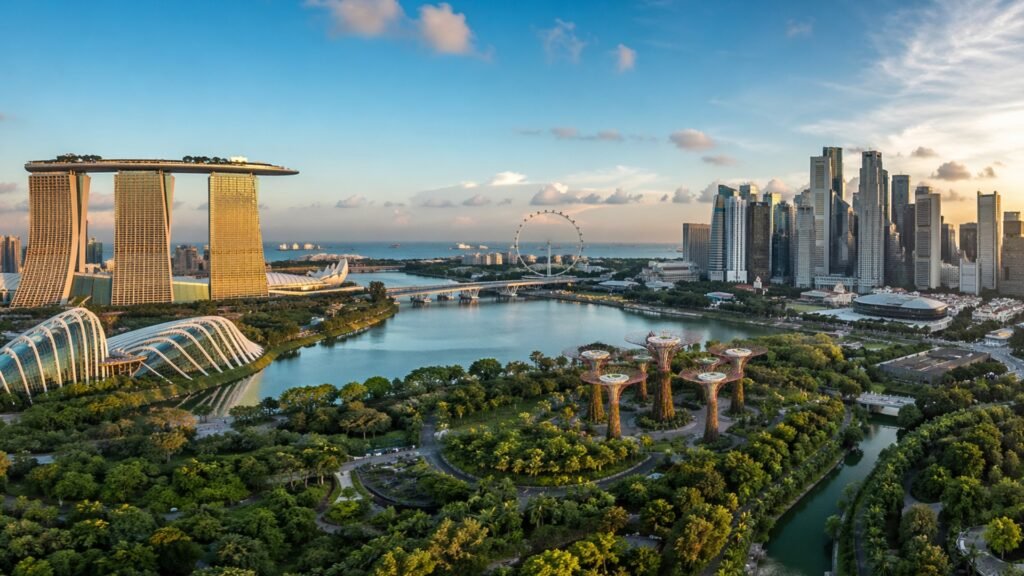
You’re probably sitting there thinking about visiting Singapore, right? Like, you’ve scrolled through Instagram, seen those insane photos of Marina Bay Sands with the infinity pool that looks like it goes on forever, and you’re like… “Should I actually go?”
Here’s the thing though—everyone shows you the same five attractions. It’s always Marina Bay, Gardens by the Bay, the Merlion thing… and honestly? I’m not gonna tell you those suck because they don’t. They’re legitimately incredible. But if that’s all you do, you’re literally missing the entire soul of the city, you know?
So let me break this down for you. Singapore’s this weird, wonderful place where you’ve got these ultra-modern skyscrapers sitting like… right next to ancient Chinese temples. Like, you’ll see a shopping mall and then two blocks away there’s this tiny temple that’s been there for 150 years. It’s genuinely mind-blowing when you actually walk around instead of just taking the tourist bus.
And yeah, we’re gonna hit all the must see places in Singapore obviously. Marina Bay? Absolutely. Gardens by the Bay? Definitely. But I’m also gonna show you the hidden spots where actual locals hang out. The food that’ll change your life. The neighborhoods that don’t make it into the typical travel blogs but honestly should.
Whether you’ve got like, three days or maybe two weeks, whether you’re broke and just want cheap eats or you’ve got money to burn on fancy rooftop bars—this guide’s got you covered. Let’s actually do this properly.
Why Visit Singapore? (Overview of the Green City)
Alright, so first question everyone asks: “Is Singapore even worth going to?” And like… fair question. It’s definitely not cheap compared to Thailand or Vietnam. But here’s what you get for your money, and I think once I explain it, you’ll get why people lose their minds over this place.
Singapore’s this tiny island, right? Like, insanely small. You could fit it like… inside New York City multiple times. But somehow—and I’m not exaggerating—they’ve managed to pack in world-class attractions, thriving neighborhoods with actual culture, nature reserves, some of the best restaurants on the planet, and beaches. All on an island that’s literally smaller than most major cities.
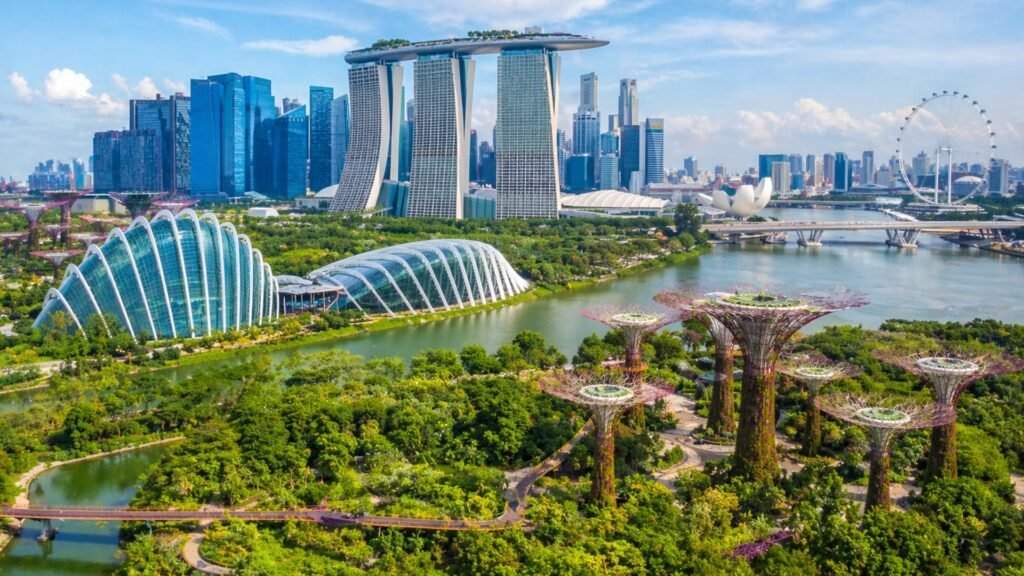
The government actually called it the “Garden City” back in the 70s or whenever, and you’d think that’s just propaganda marketing stuff. Like corporations say “we’re green” and they’ve got three solar panels or whatever. But Singapore actually delivered on it. Like, genuinely. There are trees everywhere. Rooftop gardens. Vertical forests inside shopping malls. It’s kind of insane actually.
What Makes Singapore Unique?
Okay so what separates Singapore from like… all the other Southeast Asian destinations you could hit? I mean, Thailand’s got cheaper food, Vietnam’s got that cool colonial vibe, Indonesia’s got beaches…
Well for starters, the multiculturalism here isn’t just a thing the government says. It’s actually lived. You’ve got about 74% Chinese population, 13% Malay, 9% Indian, and then like 4% of other stuff mixed in. And these communities don’t just… coexist? They genuinely celebrate each other’s festivals. Like, Chinese New Year? The whole city celebrates it. Deepavali happens in October/November and Little India lights up like you wouldn’t believe.
So you get these amazing Singapore cultural neighborhoods—Chinatown Singapore where you can walk through temples and street food markets, Little India Singapore where the smell of spices just hits you immediately, Kampong Glam which has become this really cool blend of traditional Arab/Malay culture and modern hipster cafés. These aren’t museum pieces. They’re actual living communities.
What really sets this place apart—and I think this is genuinely important—is that the government actually cares about environmental stuff. They’ve got these nature reserves, urban parks everywhere, rooftop gardens in the middle of the city. The Singapore Botanic Gardens is literally a UNESCO World Heritage Site, which like… it’s a garden. That’s how good it is. And then there’s the Southern Ridges Walk—this 10-kilometer trail that connects parks through this suspension bridge thing over a forest. In the middle of a developed city. It’s wild.
Is Singapore Worth Visiting in 2026?
Real talk: is it worth the money? Is it worth the flight?
Okay so here’s the situation. If you’re one of those backpackers doing Southeast Asia on like $20 a day, Singapore’s gonna hurt your budget. A simple meal? You’re looking at $4-6. Hostels start at like $20-30 per night. Attractions cost money. It’s not Thailand pricing.
For 2026 specifically? There’s been a shift toward sustainable travel Singapore and eco-tourism. New attractions are opening. The night life scene has expanded. They’re pushing beyond just the traditional Singapore must see attractions and trying to get people to experience the city differently. Kind of cool actually.
How long should you stay? So I’d say minimum is three days. That gives you time to hit main attractions, explore maybe one neighborhood properly, eat some good food, and not feel like you’re constantly rushing. If you can do five to seven days? That’s genuinely the sweet spot. You hit everything, you explore multiple Singapore cultural neighborhoods, you actually breathe, you have time for spontaneous stuff.
Quick facts about Singapore tourism:
| Aspect | Details |
|---|---|
| Best Time to Visit | February-April, July-August (relatively drier) |
| Average Daily Budget | $50-80 budget, $100-150 mid-range, $200+ luxury |
| Languages Spoken | English is super common, plus Mandarin, Malay, Tamil |
| Currency | Singapore Dollar (SGD) — roughly $0.74 USD |
| Flight Time | Usually 6-20 hours depending where you’re flying from |
| Average Trip Length | Most people do 3-7 days |
| Peak Tourist Season | December-January, June-August |
Top Must-See Attractions in Singapore
Alright so you’re going to Singapore and you want to hit the Singapore sightseeing spots that actually matter, yeah? I’m not gonna pretend these are like… secret hidden gems that nobody knows about. Everyone knows about them. But here’s why—they’re genuinely spectacular. There’s a reason they show up on every Singapore travel blog and every Instagram feed.
The thing is, you can either visit these attractions like a typical tourist—spend three hours in queues, pay way too much for food, get zero actual experience—or you can visit them smart. Let me break down the must-sees.
Marina Bay Sands & Infinity Pool Experience
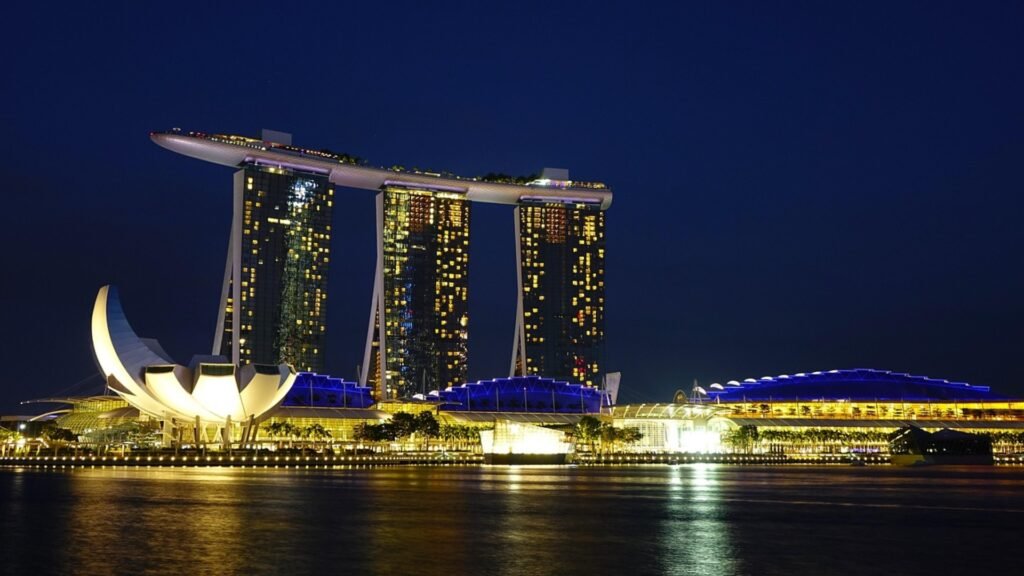
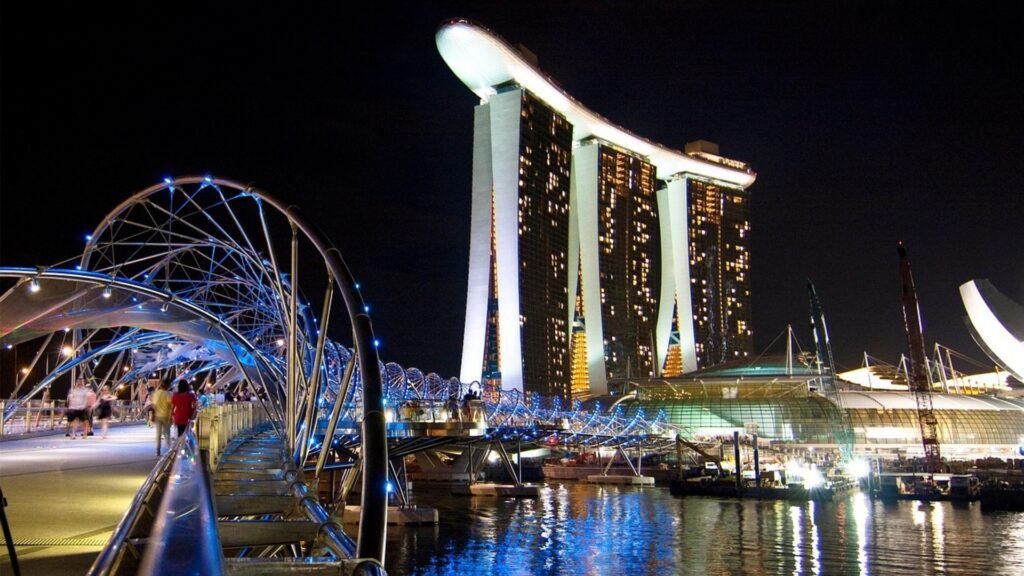
Marina Bay Sands. Right? You know the one. Three towers, connected at the top by this boat-shaped thing with a pool that literally looks like it’s floating in the sky. When you’re standing in that pool? Actually in it? The view is… man, it’s surreal. Like, you’re 57 stories up, surrounded by the entire city, and there’s just… nothing between you and falling except water. It’s weird and amazing simultaneously.
Here’s the reality though. Hotel rooms? $400+ per night during peak season. The observation deck costs about $27 per person. And the pool thing—get this—they used to let non-guests buy day passes. But they stopped doing that because too many people would just come for photos and leave without spending anything at the hotel. So now it’s only for guests.
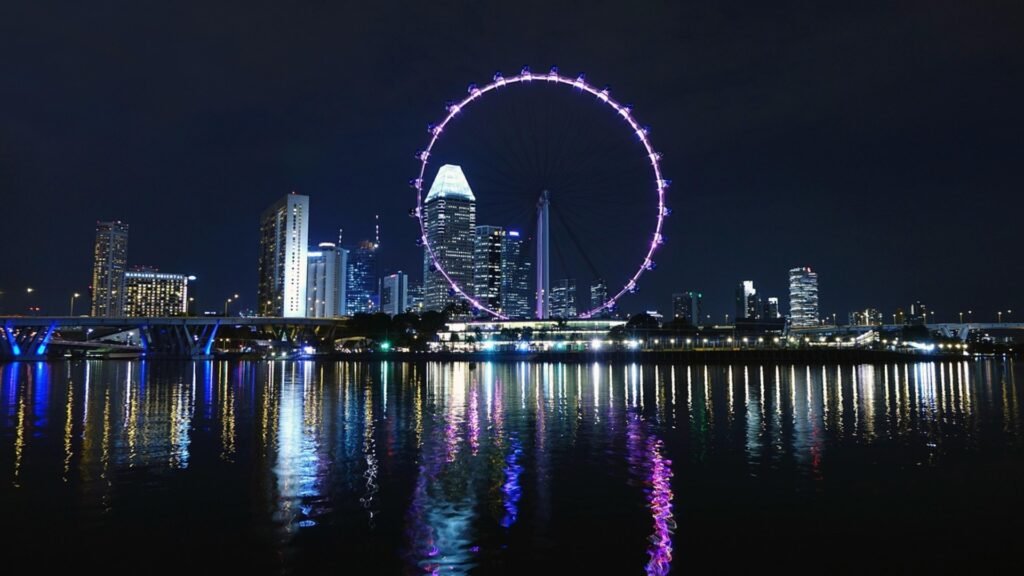
But like… don’t let that stop you, you know? The lobby area is actually public. You can go in, walk around, take photos, and it costs absolutely nothing. Seriously. Walk into the building, experience the architecture, take your photos, leave. Or—and honestly this is better—go at night. The Singapore skyline views at night are actually way more dramatic because everything’s lit up. The city looks insane.
There’s also all these bars and restaurants around Marina Bay with views. Grab a drink, sit there for a while, enjoy the view, and you’ve saved like… $30 from the observation deck while having a better experience arguably.
Gardens by the Bay & Supertree Grove
So Gardens by the Bay. Okay, imagine someone was like “what if we made a botanical garden but it looked like aliens designed it?” And then someone actually went and built that vision. That’s Gardens by the Bay.
The Supertree Grove—those giant tree-like structures covered in plants that light up at night—honestly, they’re not just cool looking. They actually do stuff. They collect rainwater. also They generate solar energy. help cool the surrounding area. So it’s not just aesthetics, there’s actual function, which like… makes it even cooler.
These things are covered in tropical plants and at night they light up with LED displays synced to music. It’s genuinely magical. Like, you’ll see videos and think “okay, that looks cool” and then you’re there and it’s like… better than the videos.
The whole complex is 101 hectares, which is huge. You could easily spend like four to five hours just walking around without getting bored. There’s the Symphonies Garden with whimsical sculptures, the Healing Garden focused on wellness plants, Japanese and Chinese gardens that actually feel authentic despite being new.
The light show happens twice nightly—around 7:45 PM and 8:45 PM. It’s free if you’re just watching from the grounds. But there’s also the Canopy Walk, which is basically an elevated walkway that goes through and around the Supertrees. That costs about $14 and gives you a completely different perspective. Honestly worth it.
Merlion Park & Light Show
Okay so the Merlion Park. It’s this statue, right? Lion’s head, fish’s body, water shooting from its mouth. It looks kind of ridiculous honestly. Like, if you describe it to someone, they’re like “that sounds stupid.” But also… it’s the symbol of Singapore. So you have to go. That’s just how it works.
The funny thing is it wasn’t even originally designed as Singapore’s symbol. It just showed up as a logo for the Singapore Tourism Board in like the 1970s and people just… loved it. So they built the actual statue in 1972 and it’s been iconic ever since.
The head represents Singapore’s original name, Singapura, which means “Lion City” in Malay. The body represents its fishing heritage because like, back in the day, Singapore was a fishing village before it became this financial hub. So it’s actually kind of beautiful when you think about what it represents.
Location-wise, it’s right at Marina Bay, so if you’re already visiting Marina Bay Sands, the Merlion is like five minutes away. The park itself is small—you’re not spending hours here. Maybe 20-30 minutes tops. The real question is timing.
There’s a light show at the Merlion specifically—separate from the Gardens by the Bay show. It happens at 9 PM and 10 PM. It’s projection-mapped onto the statue and surrounding buildings. Free to watch. And it actually tells a story about Singapore’s history, so it has meaning beyond just “pretty colors.”
Singapore Botanic Gardens (UNESCO Site)
Alright, Singapore Botanic Gardens. This place is 161 years old. Like, it’s been here since before Singapore was even really developed. And somehow it managed to get UNESCO World Heritage Site status, which like… it’s a garden. That’s how special it is.
Walking through it feels like you’ve stepped out of Singapore entirely. You’ve got manicured lawns, walking paths, themed gardens, a lake, trees, peace and quiet. That’s rare in Singapore honestly. The noise of the city just fades away. You hear birds, wind through trees, water. That’s it.
And the cool part? It’s free. Like, free admission to most of it. Some stuff like the orchid conservatory has small charges, but the main garden experience is completely free. It’s also right next to an MRT station, so access is super easy.
There’s the Symphonies Garden which is this wild interactive space with sculptures and plants arranged to represent music. Like actually. And then Japanese and Chinese gardens that look like they belong in those countries with authentic architecture and landscaping. And the Healing Garden focused on medicinal plants and wellness stuff.
You could spend like 2-3 hours here easily without rushing. And here’s the thing—this is where locals actually go. You’ll see Singaporean families picnicking, joggers running the paths, couples just hanging out. It’s a window into how actual Singaporeans use their city when tourists aren’t around.
Hidden Gems & Unique Things to Do in Singapore
So here’s where it gets really good. Because yes, the main attractions are amazing. But if that’s all you do, you’re only seeing like 20% of what makes Singapore actually interesting.
The magic? It’s in the neighborhoods. It’s in the streets where locals hang out. The food stalls that don’t make it into guidebooks. The shops that only locals know about. The temples tucked into buildings. The rooftop gardens of cafés. This is where you actually experience Singapore instead of just checking boxes.
These aren’t exactly secret—you can find them on Google Maps. But they’re off the main tourist trail, and that makes all the difference. This is what unique things to do in Singapore actually means.
Explore Kampong Glam & Haji Lane
Kampong Glam. Okay so this neighborhood is impossible to categorize, which is why it’s awesome. Traditionally it’s the Arab and Malay quarter, right? But in recent years it’s become this creative hub with boutique shops, hipster cafés, vintage stores, street art. It’s traditional and modern at the same time, which creates this interesting vibe.
The heart of it is Haji Lane. This narrow street just packed with colorful shopfronts, galleries, little eateries. The buildings are painted in these incredible pastel colors—pinks, yellows, blues, greens. It’s genuinely beautiful. And yeah, it photographs insanely well for Instagram, but here’s the thing—it doesn’t feel fake because it isn’t. Locals actually shop here. Locals actually eat here. You’re just… here too.
There’s this restaurant, Rumah Makan Minangkabau. Padang cuisine—Indonesian food. And you’ll get an incredible meal for like $3-4. The nasi kuning (turmeric rice) is perfect. The dishes are authentic and delicious. You’ll be sitting next to Singaporean workers on their lunch break, not tourists. That’s the vibe.
There’s Masjid Sultan nearby—the main mosque. It’s architecturally stunning, white and gold, elegant. Even if you’re not Muslim, the building itself is worth seeing. If you want to go inside, just be respectful of prayer times and dress appropriately—covered shoulders and knees basically.
Shopping here is the experience honestly. Vintage clothing stores, home goods shops, jewelry, art galleries, antique places. And prices are actually reasonable because you’re not in the tourist district. You’re paying what locals pay.
Discover Chinatown & Sri Mariamman Temple
Chinatown Singapore. Okay so this is dense. Like, incredibly dense. Streets packed with people, shops, temples, restaurants, all built vertically. Walk into a shop on the ground floor and there might be four more levels of shops stacked above it. It’s overwhelming in the best possible way.
The history here is wild. Chinese immigrants came here for work during the colonial period. They brought their culture, built temples, opened businesses. Over time, this entire neighborhood developed its own identity. Even though Singapore is majority-Chinese ethnically, Chinatown is specifically this historical enclave where Chinese culture is concentrated.
Sri Mariamman Temple is this Hindu temple right in the middle of Chinatown. The architecture is stunning—intricate, colorful, detailed carvings and sculptures telling stories. It’s one of the oldest Hindu temples in Singapore, from like 1827. The craftsmanship is impressive. Every detail means something.
If you want to go inside, be respectful, yeah? Remove your shoes, dress modestly (knees and shoulders covered), keep quiet. Temples are sacred. But even just looking at the exterior is incredible. The colors, the detail, the history—it’s all right there.
Chinatown is super walkable. Just wander the streets. Pop into shops selling medicinal herbs, cookware, religious items. There are food stalls everywhere. Dim sum restaurants where carts full of tiny dishes roll past your table. Noodle places. Congee. Singapore hawker centers like Chinatown Complex where dozens of food vendors operate from small stalls.
Smith Street is particularly good for food. During the day it’s just another street. At night it transforms into this night market vibe where stalls set up selling skewers, desserts, all sorts of stuff.
Spend 2-3 hours minimum wandering Chinatown. More if you stop for meals. This is genuinely one of the best Singapore tourist attractions for understanding the city’s history and culture.
Visit Little India Cultural District
Little India Singapore. Walk down Serangoon Road and you’re immediately hit with the smell of spices, colorful saris, Indian music, temple bells. It’s vivid and alive and completely different from the sanitized Marina Bay area.
This neighborhood developed similarly to Chinatown—Indian immigrants, mostly Tamil workers, settled here and built a community. For like 150 years it’s been developing into this incredible cultural hub. Indian Singaporeans now live throughout the city, but Little India is still the cultural center.
The temples here are spectacular. Sri Veeramakaliamman Temple dedicated to Kali with intricate carvings and sculptures. Srinivasa Perumal Temple, one of the oldest Hindu temples from 1855. These aren’t tourist attractions—they’re active temples with daily worship and regular festivals.
Shopping is incredible and like… actually affordable compared to other parts of Singapore. Sari shops with beautiful traditional and modern designs. Jewelry. Textiles. Beauty products. Spice shops where you can smell everything from cardamom to saffron to fenugreek. Most prices are way cheaper than tourist districts.
Food-wise? This is where you get actual Indian cuisine. Not tourist-filtered versions. Real Tamil Nadu food, North Indian stuff, modern Indian fusion. Komala Vilas has been around since 1947 and serves dosa, idli, sambar that taste like they came straight from South India. Full meals for $5-8. Genuinely authentic and cheap.
The cultural experience goes deep. If you visit during Deepavali (October/November usually), the entire neighborhood lights up with decorations. Celebrations happen in the streets. You witness an actual cultural festival, not a performance for tourists.
Spend 2-3 hours minimum exploring Little India. The neighborhood rewards wandering. You’ll find small temples tucked into buildings, spice shops that smell incredible, jewelry makers, tailors, all operating just like they have for decades.
Pastel Houses of Katong
Katong is this neighborhood that feels like you’ve traveled backward in time while still being very much in the modern present. It’s strange and cool.
The signature thing is the Peranakan shophouses—these beautiful colonial-era buildings painted in pastel colors with ornate details. The architecture represents Peranakan culture, which is the blend of Malay and Chinese heritage. The shophouses are iconic—narrow frontages, multiple stories, intricate tilework, carved details. The colors are stunning—pale blues, yellows, pinks, greens.
What makes Katong special is that these aren’t museum pieces or historical preserved stuff that nobody uses. People actually live in them. Shops actually operate from the ground floors. Cafés serve customers in spaces that look like they’re from a different era. It’s culture actually living and adapting, not preserved in amber.
Katong is also becoming a café and restaurant hotspot. Young Singaporean entrepreneurs are opening concepts in these traditional buildings. You can get excellent coffee in a 100-year-old shophouse. You can eat modern fusion food in a space that’s been continuously occupied since the colonial period.
Joo Chiat nearby continues the Peranakan character. Traditional medicine shops, furniture makers, textile shops, clustered together. Street food stalls in the evening. The vibe is increasingly hip—young people have discovered it—but it still feels genuine, not commercialized.
Photography here is excellent because colors and light are beautiful. But actually spend time walking around. Pop into shops. Get coffee. Talk to shop owners. This is one of the best best places to visit in Singapore for understanding the city’s heritage outside major tourist attractions.
Lorong Buangkok – Last Traditional Village
Here’s something genuinely mind-blowing. In the middle of ultra-modern Singapore, there’s an actual kampong (village) where people live the traditional way. Lorong Buangkok. It’s basically a time capsule.
The government protected this settlement. While everywhere else got bulldozed and rebuilt into apartment blocks and shopping centers, this neighborhood maintained its traditional architecture and lifestyle. Maybe 50-60 residents live here. The houses are traditional wooden structures built on stilts. No commercial activity. Just a living community.
Walking through here is surreal. You’re surrounded by modern Singapore—MRT lines, apartment blocks, highways—but inside this neighborhood it’s like rural Malaysia from 50 years ago. Residents grow vegetables, raise animals, maintain traditional ways.
Out of respect, you can walk through but keep a low profile. Don’t take photos of people without permission. Don’t treat it like a zoo or museum. It’s people’s actual home. The fact that it’s been preserved is kind of a miracle.
The significance is ecological and cultural. Traditional kampong living represents sustainable principles—minimal waste, self-sufficiency, community interdependence. In the context of modern Singapore’s environmental push, this village shows an alternative approach that actually works.
Spend 30 minutes to an hour here. It’s sobering, interesting, genuinely unique. You won’t find this anywhere else in Singapore.
Best Islands & Nature Experiences in Singapore
Okay so Singapore’s not just the city proper, right? There are actual islands. Actual nature. This might surprise you if you’re thinking Singapore is all urban density, but the government genuinely invested in preserving natural spaces and making them accessible.
These nature experiences are some of the best unique things to do in Singapore because they take you out of the urban environment entirely while still being incredibly accessible. Like, you take the ferry for 40 minutes and you’re in a completely different world.
Kusu Island & St John’s Island
Kusu Island and St John’s Island are probably the most popular island getaways from mainland Singapore. They’re accessible by ferry, super easy to reach, genuinely peaceful compared to the city.
Kusu Island has temples—Taoist temple and a mosque—that are accessible to visitors. There’s also a turtle sanctuary where you might see actual sea turtles. The island has historical significance because merchant ships used to dock there during monsoon season.
The vibe on Kusu Island is genuinely relaxed. People come here to escape the city. You’ll see locals fishing, families picnicking, people just hanging out. There’s a beach—kind of small and rocky honestly—but the view of the city skyline from across the water is interesting. You’re far enough away to get perspective but still close enough to see the buildings.
St John’s Island is slightly less developed, which some people prefer. More forested, quieter. There’s a small resort for overnight stays and camping is available if you’re into that. During the day, people come for picnicking, swimming, beach time. Water quality is decent and it’s one of the few places where you can actually swim safely in Singapore waters.
Both islands are accessible by ferry from Changi Point Ferry Terminal. Ferry costs about $11-15 round trip. Ferry frequency is good—departures roughly every hour. The ferry ride is 40-50 minutes, so you’re not doing a quick trip. Plan at least 3-4 hours on the island.
These islands represent a different side of Singapore travel experience—nature, peace, escape from urban intensity. They’re not dramatic or overwhelming, but they’re genuinely nice, and the accessibility is what makes them special.
MacRitchie Treetop Walk
MacRitchie Treetop Walk. Okay, this is where things get intense. It’s a suspension bridge walk through a tropical forest canopy. You’re walking on a bridge like 25 meters above the ground, surrounded by trees, occasionally spotting wildlife.
The bridge is 250 meters long and was designed so people could experience the rainforest ecosystem at canopy level. Biologically, the canopy is where most rainforest life happens—trees, insects, birds. You get a perspective that’s impossible from the ground.
Walking on the suspension bridge is… the first time is definitely thrilling. You’re moving slightly, you’re up high, the bridge sways a bit. It’s not dangerous—it’s engineered well—but there’s an adrenaline component. Some people find it scary. Some find it exhilarating. Either way, memorable.
The broader MacRitchie Reservoir area is incredible for nature. Hiking trails through primary forest, a reservoir for water activities, actual wildlife—birds, monitor lizards, flying lemurs. Early morning is best for spotting animals because they’re more active and fewer people are around.
The location is in the center of Singapore, but it feels completely removed from the city. The biodiversity is stunning because the forest is protected. You’ll see plant and animal species that exist nowhere else in Singapore because their habitats were destroyed everywhere else.
Entrance to the main reservoir area is free. The Treetop Walk costs about $6. Different walking circuits have varying difficulty levels. The suspension bridge is like 30-40 minutes of walking. Broader forest trails can take hours.
This is genuinely one of the best Singapore nature parks experiences. It’s not a curated garden—it’s actual rainforest, and the Treetop Walk gives a unique perspective within that ecosystem.
Southern Ridges Walk
Southern Ridges Walk. Okay, so this is a 10-kilometer recreational corridor connecting multiple parks and nature areas across Singapore’s south side. It’s genuinely one of the best Singapore walking tours you can do, and it represents the government’s vision of integrated urban nature.
The walk connects Mount Faber Park, Sentosa Boardwalk, Polliwog Park, Kent Ridge Park, and Telok Blangah Hill Park. Each section is slightly different in terrain and character, but the whole thing is designed as a continuous walking experience.
Some highlights: the Alexandra Arch bridge is iconic—you’re walking under this arch surrounded by forest. The Canopy Walk at Mount Faber has views of the city and harbor. Different access points let you do sections rather than the full thing if you want shorter hikes.
The surface is varied—sometimes paved, sometimes elevated boardwalk, sometimes forest trail. It’s designed to be accessible even for people with different fitness levels because sections can be done independently. The entire walk takes 2-3 hours if you’re not stopping. Most people break it up, stopping for photos, rest, food.
What’s genuinely nice about this walk is that it feels purposeful. You’re getting exercise, seeing nature, but also understanding how Singapore’s integrated urban planning works. Trees, paths, rest areas, connecting different neighborhoods—it’s all connected and thoughtfully designed.
Sunrise or early morning is best. Fewer people, cooler temperatures, better light. Bring water, wear good shoes, bring sunscreen. The full 10 kilometers is doable in 2-3 hours, but people often do sections multiple times rather than the full distance.
Singapore’s Green Parks & Nature Escapes
Beyond the famous spots, Singapore has a bunch of nature areas worth exploring. Bukit Timah Nature Reserve is one of the oldest protected areas in Southeast Asia—primary rainforest in the middle of the city. The highest hill in Singapore (164 meters) is here. Trails wind through forest with trees that are hundreds of years old. You’ll see wildlife—birds, squirrels, lizards. It’s genuinely wild.
Sungei Buloh Wetland Reserve is another UNESCO-recognized area focused on wetland ecosystems. Excellent for bird watching, particularly during migration seasons. Boardwalks go through mangrove areas and let you experience that ecosystem without getting muddy.
East Coast Park is more developed—bike paths, food vendors, beach access, families picnicking. Less about pristine nature, more about accessible recreation. But the views across the water are beautiful, and it’s where locals come to relax on weekends.
Pulau Ubin is an island off the northeast coast that’s still quite undeveloped. Ferry access costs about $3. You can rent bikes and explore, camp overnight, just hang out on the beach. It feels less developed than main Singapore, which is part of the appeal.
These spaces collectively represent Singapore’s commitment to being a Singapore green city. The government recognized that density without green space is unsustainable. So they protected, restored, and integrated nature into the urban fabric. It actually works pretty well.
Food Guide – What to Eat in Singapore
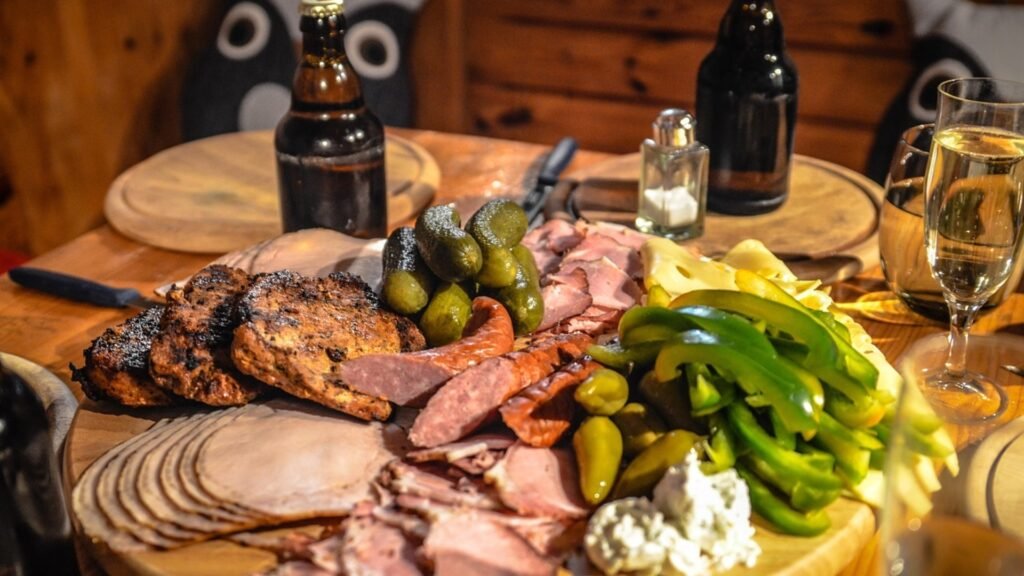
Okay. Food. Let’s talk about what makes Singapore genuinely special. Because honestly? The food here is where the magic happens. This is where Singapore travel experience becomes unforgettable. The food culture is genuinely incredible—diverse, delicious, accessible, and actually worth planning your entire trip around.
Singapore’s food is this beautiful fusion of Chinese, Malay, Indian, and colonial influences. What makes it unique is that these cuisines are living and evolving, not frozen in time. You get traditional recipes from like 50 years ago, but you also get modern interpretations. You get Singapore street food that tastes the same way it tasted five decades ago, and you get fine dining restaurants doing experimental things with those same flavors.
Famous Dishes (Chilli Crab, Hainanese Chicken Rice)
Chilli Crab. Okay, so this is basically the national dish of Singapore. It’s mud crab in this thick, spicy, slightly sweet sauce made with chili, tomato, garlic, ginger. The sauce is velvety and coats the crab meat perfectly. It’s rich, complex, unforgettable.
Here’s the thing about chilli crab though—it’s messy. You’re cracking shells, digging out meat, getting sauce everywhere. There’s a ritual to eating it. You’ll probably look like you’ve been in a disaster, covered in sauce and stuff. Good restaurants give you bibs and wet towels. Embrace the chaos.
Places like Red House Seafood and Song Fish Restaurant do excellent chilli crab. Expect to pay like $20-35 for a plate depending on the crab size and restaurant. It’s pricey compared to Singapore hawker centers food but genuinely worth it.
Hainanese Chicken Rice is the opposite of chilli crab. It’s simple. Humble. Perfect. Poached chicken served over rice cooked in chicken stock with garlic and ginger. You get light chili sauce, dark soy sauce, and clear broth. That’s it. No complexity. Just perfect technique and fresh ingredients.
Other iconic dishes you need to try: Singapore laksa—this coconut curry noodle soup that’s creamy and complex. Roti prata—fried flatbread that’s crispy outside and fluffy inside, usually served with curry for dipping. Rojak—a salad with various ingredients mixed with peanut sauce that’s sweet, spicy, and addictive. Satay—grilled meat skewers with peanut sauce, influenced by Indonesian cuisine.
Each of these dishes has a story about immigration, trade, cultural fusion. Eating them is like eating Singapore’s actual history. That’s what makes a Singapore food guide more interesting than just “here are things that taste good.”
Hawker Centres Experience
Singapore hawker centers. Okay, so this is probably the best eating experience you’ll have in the city. They’re large open-air or semi-covered complexes with dozens of individual food stalls. Think of a food court, but way better—actually authentic, affordable, diverse.
Here’s how it works: you walk through, look at all the options (it’s chaos at first, but you figure it out), decide what you want, order from the stall (usually 1-2 minute wait), they give you a ticket or number, you find a seat, food shows up. Most meals are $3-6. Quality is typically very high because there’s competition and rent is cheap.
Maxwell Food Centre is probably the most famous—packed with locals, incredible variety, genuinely an experience. Chinatown Complex is another excellent one. Lau Pa Sat is beautiful architecturally with good food (though slightly more touristy pricing). Tiong Bahru Market is in this beautiful traditional building with mix of hawker stalls and newer food concepts.
The vibe in hawker centers is genuinely great. You’re sitting with strangers, eating incredible food, people-watching, observing how locals eat. During lunch and dinner rush, it’s organized chaos. Everyone knows the system. You just fit in and follow along.
The experience of eating in Singapore hawker centers is genuinely important for understanding Singapore. This is where locals actually eat. This is what food culture looks like when it’s accessible to everyone. It’s democratic, unpretentious, delicious. Don’t skip it for fancy restaurants.
Best Places to Eat Like a Local
If you want authentic experiences beyond hawker centers, certain neighborhoods deliver. Tiong Bahru has become a culinary hotspot—modern cafés alongside traditional stalls. Joo Chiat in the Katong area has traditional Peranakan restaurants and casual local spots. Geylang is known for roti prata and other simple, authentic dishes.
Places like Olivia’s Peranakan Restaurant in Katong does traditional Peranakan food that’s been passed down through generations. Recipes are old, ingredients traditional, vibe genuinely local. Expect $8-12 per person. The sambal, spice levels, flavor profiles—it’s the real thing.
Bao Seng Food Stall in Tiong Bahru serves one thing—chwee kueh (traditional Chinese cake made from rice flour). They’ve been doing it for decades. A plate costs 80 cents Singapore dollars (about 60 cents USD). It’s simple, authentic, honest food.
What makes these places special is that you’re not eating food prepared for tourists. You’re eating food that locals eat, prepared the way locals have eaten it for generations. That’s fundamentally different from a tourist-friendly version of the same cuisine.
Budget travel Singapore often revolves around eating this way—hawker centers, local neighborhoods, stalls that don’t cater to tourists. You’ll eat incredibly well for almost nothing. Some people do month-long stays in Singapore and the food budget is their biggest surprise—it’s way less than expected because these options are so cheap.
Where to Stay in Singapore (Best Areas & Hotels)
Alright, choosing where to stay matters because Singapore’s small but different neighborhoods have completely different vibes, you know? Marina Bay is touristy and expensive. Chinatown is cultural and bustling. Kampong Glam is artsy and bohemian. Where you stay shapes your entire experience.
Here’s the breakdown of where to actually stay based on what kind of traveler you are and what kind of experience you want.
Marina Bay Area Hotels
Marina Bay is the touristy center. and Marina Bay Sands is here, Gardens by the Bay is nearby, Merlion Park is close. Infrastructure is flawless. Everything is clean, efficient, organized.
Hotels here are expensive though. We’re talking $200+ per night minimum even for mid-range chains. But the convenience is legitimate. You can walk to major attractions. Restaurants and shops everywhere. The area feels modern and developed.
The Mandarin Oriental, Marina Bay Sands itself, and other luxury properties are here. But there are also mid-range options like Hotel 81, various Agoda properties, chains that are less expensive ($100-150) but still nice.
The downside: Marina Bay is kind of sterile. Built for tourists. It doesn’t feel like you’re in Singapore—it feels like you’re in a global luxury zone that could be anywhere. You won’t meet locals. You’ll interact with other tourists and service staff. Nightlife is expensive nightlife—cocktail bars, fine dining.
If you want maximum convenience and don’t care about local experience, Marina Bay is fine. If you want to actually experience Singapore, consider staying elsewhere. This is coming from someone who’s been there.
Chinatown & Budget Stays
Chinatown Singapore is packed with hostels and budget hotels. Wake-Up! Singapore, Beary Good Hostel, and others offer dorm beds for $20-30 per night or private rooms for $40-60. Space is tight, but location and value are excellent.
Staying here means you’re in the cultural heart. You wake up surrounded by Chinese temples, food vendors, shops selling herbs, red paper lanterns. The food is incredible and cheap. You’re experiencing actual Singapore, not a polished tourist zone.
Chinatown is bustling, sometimes noisy, definitely more chaotic than Marina Bay. But that’s part of the appeal. You’re experiencing the city authentically. Locals actually live and work here. Businesses aren’t designed specifically to attract tourists.
Food costs in Chinatown are absurdly low—$2-4 for most meals. Shopping is affordable. You’ll be spending time with backpackers in hostels, but also meeting locals and getting recommendations for authentic stuff.
The downside: it’s hot, crowded, intense. If you want quiet and relaxation, this isn’t it. But if you want Singapore city guide 2026 experience that’s genuinely authentic, this delivers.
Kampong Glam Boutique Hotels
Kampong Glam is increasingly popular for mid-range travelers who want boutique experience without crazy prices. Hotels here are converted shophouses or modern buildings designed with heritage aesthetics. You’re getting character and authenticity while staying in actual buildings.
Prices range from $80-150 for decent boutique places. They’re not luxurious, but they’re interesting. You’re in the neighborhood where things are actually happening—cafés, shops, restaurants, actual life.
The neighborhood itself is the real value. Haji Lane is walkable. Masjid Sultan is there. Food is excellent and cheap. You’re experiencing Singapore cultural neighborhoods authentically while having a nice place to sleep.
Hotels here tend to be smaller—maybe 10-20 rooms—so they feel boutique and personal rather than corporate. Staff can give you actual recommendations about the neighborhood because they’re from there.
This is probably the best value for mid-range travelers who want genuine experience without excessive cost.
Eco-Friendly & Green Hotels
If sustainability matters to you, several places are doing genuinely meaningful environmental work. Wanderlust Hotel in Lavender is designed around sustainable principles. Capella Singapore on Sentosa Island is luxury but emphasizes conservation.
But here’s the thing—be skeptical of claims. Some hotels say they’re green because they have recycling and LED lights. Others actually invest in conservation, renewable energy, waste reduction, and community impact. Real sustainable travel Singapore means staying somewhere genuinely committed, not just marketing green.
Research before booking. Look for certifications, actual practices, impact reports. Real sustainability requires effort and transparency. Don’t just trust the marketing stuff.
Best Things to Do at Night in Singapore
Singapore at night is legitimately different from Singapore during the day. The Singapore night life scene is vibrant, diverse, and honestly worth planning time for. Like, don’t sleep through the evenings, you know?
Rooftop Bars & Skyline Views
Singapore has incredible rooftop bars specifically because of the Singapore skyline views. These places are expensive—drinks are $15-25—but the experience is genuinely special.
1-Altitude on Onan Road claims to be the highest rooftop bar in Singapore at 282 meters. The view is genuinely spectacular. You’re above most of the city, watching lights spread out below. Prices are high, but the moment of standing up there looking at millions of lights below is memorable.
Ce La Vi is another famous rooftop spot with pool and views. New Asia Bar in downtown is similar—upscale, expensive, beautiful views. Smoke & Mirrors is a cocktail bar with creative drinks and good vibes.
Here’s the thing about these places: they’re pricey because of the location and experience, not necessarily drink quality. But if you’re willing to spend $20 per drink for the experience of standing 200+ meters above a city watching millions of lights spread out below, it’s legitimate.
Cheaper option: grab a beer at a street-level bar in Chinatown or Kampong Glam, save $50, and enjoy a different kind of vibe. Both have value depending on what you want.
Night Safari & Evening Attractions
Night Safari is this wildlife experience specifically built for evening visits. It’s a safari-style zoo where you see animals in near-darkness using night-vision technology. You’re in a tram moving through exhibits seeing nocturnal animals behaving naturally.
It’s around $54 for entry, plus food and possibly other attractions. It takes about 2-2.5 hours to see everything. The experience is unique—you’re literally watching animals active at night, which is genuinely different from daytime zoo visits.
You’ll see animals you don’t see during the day because they’re nocturnal. You’ll understand animal behavior differently. Photography is challenging (darkness), but the experience itself is cool.
There’s also Night Show nearby—wildlife entertainment. The zoo has evening attractions you can add on. Together, it’s a 3-4 hour evening.
Light Shows & Night Experiences
Beyond Gardens by the Bay (which we covered earlier), Singapore has light shows happening throughout the city. Temples often light up beautifully at night. Buildings do projection mapping. The city intentionally lights things to be beautiful after dark.
Clarke Quay becomes this lively riverside bar and restaurant scene at night. It’s kind of touristy, but genuine fun. Colonial buildings light up. There’s live music in various bars. The energy is good.
Various neighborhoods have evening markets—night bazaars, pop-up food stalls, temporary vendor setups. These are more authentic than permanent attractions and give you a sense of local commerce happening after dark.
Travel Tips for Singapore (2026 Guide)
Alright, practical stuff that’ll actually make your trip better. This is the Singapore travel tips for beginners and everyone else section. Like, important information you’ll actually use.
Visa & Entry Requirements
Most visitors get 90 days visa-free entry to Singapore if you’re from a Western country. Check the Immigration & Checkpoints Authority website for your specific nationality because rules vary. US citizens, UK citizens, Canadian citizens, Australian citizens, most Western Europeans get visa-free entry. Many Asian countries too.
If you’re not visa-free, you can apply for a visa online through the Singapore e-Services system. It’s straightforward and usually processes quickly. Like, within days usually.
You’ll need a passport valid for at least six months beyond your travel dates. That’s just standard. Bring copies of important documents separately from originals.
COVID requirements have mostly dropped as of 2026. Vaccination cards aren’t needed. Entry is basically normal now. Just check before you arrive because sometimes things change.
Safety & Travel Rules
Singapore is genuinely safe. Seriously. The violent crime rate is incredibly low. Mugging isn’t really a thing. Sexual assault against tourists is rare. Police are effective. The city feels safe because it actually is safe. You don’t have to watch your back constantly.
That said, petty theft happens. Keep your phone and wallet secure. Don’t leave stuff unattended. Don’t flash expensive equipment. Use common sense basically.
Cultural stuff to know: Singapore is multi-religious, so be respectful of religious spaces. Don’t disrespect religion, don’t eat or drink in temples, dress modestly. Do not touch people without permission—some cultures consider it invasive. Don’t photograph people without asking.
Drug laws are incredibly strict. Possession of even small amounts of certain drugs can result in serious penalties. Don’t even consider it. Seriously. I’m not joking.
Chewing gum is banned. No, I’m not joking. You can’t bring it in, you shouldn’t chew it. It sounds ridiculous until you realize there’s actual history—people were sticking gum on train seats and MRT trains, creating maintenance problems. The ban was a legitimate response to an actual problem.
Littering is fined heavily. Keep trash with you until you find a bin.
Budget vs Luxury Travel Tips
Budget travel Singapore means staying in hostels, eating at hawker centers, using public transportation, skipping paid attractions. You can genuinely do three days for $40-50 per day if you’re disciplined.
Mid-range means $100-150 per day—mid-level hotels, mix of hawker and restaurant meals, paid attractions, occasional taxis.
Luxury is $300+ per day—luxury hotels, fine dining, expensive activities, no budget constraints.
Here’s the wild part: even budget travel Singapore offers incredible experiences. You’ll eat better at hawker centers than at expensive restaurants. You’ll experience more authentic Singapore by staying in Chinatown than Marina Bay. Budget forces you to be authentic, which is actually better.
Money-saving strategies: eat where locals eat (hawker), use public transportation (cheap and efficient), book attractions online for discounts, avoid expensive tourist restaurants (everywhere else is better), don’t buy drinks in tourism zones (get beer at neighborhood bars). Seriously, you can save so much just by avoiding tourist traps.
Common Mistakes to Avoid
Don’t skip Singapore cultural neighborhoods and only hit Marina Bay. You’ll see a polished version and miss the actual soul of the city.
Don’t eat at tourist restaurants near attractions. Seriously. Walk two blocks away and get the same food for one-third the price with better quality.
Don’t plan 7+ days without specific plans. Most visitors find 3-5 days optimal. Beyond that, you’re either repeating experiences or doing random stuff that doesn’t connect.
Don’t visit during December-January or June-August without booking accommodation early. Peak season gets expensive and crowded.
Don’t take taxis from the airport to the city without knowing the meter system. Use airport transit bus or train—one-sixth the price.
Don’t assume everyone speaks English. Older people and people in certain neighborhoods might have limited English. It’s still very accessible, but respect language differences.
Getting Around Singapore Easily
Singapore MRT transport system is honestly one of the best in the world. It’s clean, efficient, frequent, cheap, and goes basically everywhere. Learning to use it is the first practical skill you need. Seriously, it’s that important.
MRT, Bus & Public Transport Guide
The Mass Rapid Transit (MRT) is a subway system with five lines—East West Line, North South Line, North East Line, Circle Line, Downtown Line. These connect basically everywhere. Trains come every 2-5 minutes during the day, every 3-8 minutes at night.
Buses run comprehensive routes. Bus stops show the next three buses coming and how many minutes until arrival. Buses are comfortable, frequent, reliable. Like, genuinely reliable.
Both cost money, which you load onto an EZ-Link card (pre-paid smartcard) or use contactless payment. You tap when entering and exiting. The system deducts appropriate fare. It’s simple. Almost too simple.
Navigation is easy. Google Maps works perfectly. Tell it your destination, it shows you MRT routes, walking directions, estimated time. Follow directions, tap at stations, get off at right stop. Done.
Taxis exist if you need them. Grab (ride-sharing app like Uber) is popular and reliable. Both are regulated, metered, fairly priced. They’re more expensive than MRT but convenient if you have luggage or are tired.
Cost of Transportation
A single MRT journey costs $0.90-$2.50 Singapore dollars depending on distance (about $0.65-$1.80 USD). An EZ-Link card costs $15 and includes $10 loading—net cost $5.
Daily unlimited passes cost about $5. If you’re doing 3+ journeys per day, get a daily pass. Weekly passes exist too.
Buses are similar pricing. You can use the same EZ-Link card.
Singapore travel cost transportation-wise is incredibly cheap compared to Western cities. Most people spend $1-2 per day on transport. It’s genuinely one of the most affordable aspects of visiting Singapore.
Travel Pass & Apps
Download MRT app and Google Maps before you arrive. They work perfectly and make navigation trivial. Like, almost boring how simple it is.
The EZ-Link card is physical. Get one at any MRT station ($15, includes $10 credit). Load money onto it at machines or customer service. Tap at readers. Done.
Contactless payment systems (Apple Pay, Google Pay) also work on MRT. You can use your phone without a card if your payment system is set up.
Ride-sharing apps like Grab work like Uber. Input destination, get price, confirm, driver picks you up. Slightly more expensive than taxis but transparent pricing and convenient.
Getting around Singapore logistically is the easiest part of visiting. Honestly, don’t stress about it. The system just works. You’ll figure it out within an hour of arrival.
Best Time to Visit Singapore + Weather Guide
Singapore weather is basically always hot and humid. There’s no winter. Two monsoon seasons affect rainfall. Beyond that, it’s pretty constant. Like, seriously constant.
Monthly Weather Breakdown
January-March: 25-31°C (77-88°F), relatively dry, mostly sunny. This is considered peak season and prices reflect it. Popular for good reason.
April-June: 25-32°C (77-90°F), increasingly humid and rainy. Mid-range prices. Getting hotter.
July-September: 25-31°C (77-88°F), southwest monsoon means occasional rain, relatively quiet in terms of tourism. Less crowded.
October-November: 25-31°C (77-88°F), increased rainfall, transition season, cheaper prices. Actually pretty nice if you don’t mind occasional rain.
December: 25-31°C (77-88°F), northeast monsoon begins, drier toward December 20-31, peak season arrives. Holiday crowds return.
Temperature barely changes. Humidity is consistently high. Rain is the main variable. Pick your season based on rainfall preference and tourism crowds, not temperature.
Peak vs Off-Season Travel
Peak season is December-January (holidays) and June-August (Western summer vacation). Hotels charge more ($200+). Attractions are crowded. Prices are higher across the board.
Off-season is May, September-November. Cheaper, fewer crowds, some rain but manageable. You’ll have better local interaction and authentic experiences because you’re not dealing with massive tourist volume.
The sweet spot: February-April or October-November. Weather is decent, prices reasonable, crowds manageable. Actually perfect timing.
Festivals & Events to Experience
Chinese New Year (January/February): Chinatown Singapore lights up, temples are packed, celebrations happen in streets. Incredibly vibrant and colorful.
Deepavali (October/November): Little India Singapore becomes a festival. Lights, celebrations, traditional foods everywhere. The energy is amazing.
Hari Raya (dates vary, Islamic holiday): Malay neighborhoods celebrate. Street decorations, family gatherings, special foods. Genuinely beautiful cultural experience.
Singapore Food Festival (sometimes), Singapore International Film Festival (November), various other events throughout the year.
Holiday timing affects everything—hotel availability, prices, attraction crowd levels, neighborhood vibes. Plan around festivals if cultural experience matters to you.
Sustainable Travel in Singapore
Singapore is actually pretty environmentally conscious. As a Singapore green city, it’s trying hard. But sustainability requires tourists to participate, not just admire. You have to be part of the solution, basically.
Eco-Friendly Hotels & Stays
Several hotels are genuinely committed to sustainability beyond just marketing. Wanderlust Hotel measures and offsets carbon impact. Various properties have solar panels, waste reduction systems, conservation programs.
The challenge: greenwashing exists. Some places say they’re green because they have LED lights and ask you to reuse towels. Real sustainability is measured and documented. Ask hotels about specific practices, certifications, impact metrics.
Staying in eco-certified properties contributes to market demand for actual sustainability.
Green Attractions & Urban Farming
Singapore has urban farms—people growing food on rooftops, in community gardens, dedicated farm spaces. Singapore urban farming is part of the green city vision. Some spaces welcome visitors.
Gardens by the Bay and Singapore Botanic Gardens both teach about conservation. They’re attractions but also education about ecological principles.
Sungei Buloh Wetland Reserve and other protected areas show conservation in action. Supporting these attractions financially encourages continued conservation.
How to Travel Responsibly
Use public transportation (low carbon impact compared to taxis). Reduce waste—bring reusable water bottle, refuse plastic bags, eat at hawker centers (minimal packaging). Be respectful of cultural spaces and local communities. Buy from small businesses rather than chains when possible. Actually think about your impact.
Don’t expect perfection. Singapore is developed, urban, modern. Sustainability is about minimizing impact, not eliminating it. Just make better choices where you can.
Singapore Travel Itinerary (3–5 Days Plan)
Alright, concrete itineraries because sometimes planning is harder than traveling. Let me give you actual day-by-day breakdowns that work.
3-Day Singapore Itinerary
Day 1: Central Singapore Overview
Morning: Arrive, get EZ-Link card at airport, take train to hotel (1 hour, $3). Like seriously, don’t take a taxi.
Afternoon: Check in, rest, explore neighborhood. Walk around. Get your bearings. Grab some food.
Evening: Dinner in neighborhood, walk around, adjust to time zone. Don’t overexert yourself on day one.
Day 2: Marina Bay & Colonial District
Morning: Breakfast, head to Marina Bay Sands. Walk around exterior, explore lobby, take photos. Don’t pay for observation deck necessarily.
Mid-morning: Walk to Merlion Park, see the statue, understand the symbol. It’s actually kind of cool.
Afternoon: Gardens by the Bay, walk around, have lunch. Just explore and enjoy.
Evening: Light show at Gardens by the Bay (7:45 PM), dinner nearby. Genuinely magical.
Day 3: Neighborhoods & Culture
Morning: Singapore Botanic Gardens, peaceful walk, breakfast at café there. Genuinely peaceful.
Afternoon: Head to Chinatown Singapore or Little India Singapore (depending on preference). Explore, eat, wander. Just be in the neighborhood.
Evening: Dinner at hawker center, night walk through neighborhood. Soak it all in.
This itinerary hits highlights, gives you cultural experience, costs minimally ($100-150 for mid-range), and is genuinely memorable. Not rushed, not boring.
5-Day Extended Itinerary
Day 1-2: Same as 3-day itinerary.
Day 3: Morning at Singapore Botanic Gardens. Afternoon in Kampong Glam. Evening: rooftop bar or night life. Mix it up.
Day 4: Nature day. Either MacRitchie Treetop Walk (morning, 3-4 hours) and rest of day exploring surrounding neighborhoods, or island ferry to Kusu Island or St John’s Island (full day activity). Your choice depending on interests.
Day 5: Sleep in, neighborhood exploration, shopping, visiting places that interested you more on previous days, casual departure prep. Chill day.
Five days lets you hit highlights, do two neighborhood deep dives, have one nature experience, and not feel rushed. Actually feel like you’ve experienced the city.
Budget vs Luxury Plan
Budget (3 days, ~$150-180 total):
Hostel dorm: $60 total (20 per night) Meals at hawker: $45 total (15 per day) Free attractions and walks: $0 Paid attractions (optional): $30 Transportation: $10 Total: ~$155
Genuinely doable.
Mid-range (3 days, ~$300-400 total):
Hotel mid-level: $300 (three nights) Meals mix hawker/restaurant: $60 Paid attractions: $40 Transportation: $20 Total: ~$420
Best value honestly.
Luxury (3 days, ~$1000+ total):
Marina Bay hotel: $600+ Fine dining/upscale restaurants: $200+ Paid attractions: $100+ Everything premium basically.
The mid-range option offers the best value—you’re not sacrificing too much while getting reasonable comfort.
Final Tips & Summary (Singapore in a Nutshell)
Key Takeaways
Singapore is genuinely one of the best-run cities on Earth. It’s safe, efficient, clean, and welcoming. The food is incredible and cheap. The culture is authentic and vibrant. Nature exists even in this ultra-urban environment.
Don’t just hit Marina Bay and consider your trip complete. The magic is in the neighborhoods, the hawker centers, the people, the layers of history and culture compressed into a tiny island.
Respect local culture, use common sense, be curious, try things, talk to people. You’ll have a genuinely memorable experience. I’m telling you.
Essential Travel Checklist
Before you go: passport valid 6+ months, book accommodation (especially peak season), research visa requirements for your nationality, download Google Maps and MRT apps. Do this.
Pack: light clothing, comfortable walking shoes, sunscreen, hat, light rain jacket, universal phone charger, power bank. Actually pack these things.
Upon arrival: get EZ-Link card at airport, buy SIM card if needed, settle into accommodation, explore neighborhood. Do these things first.
During stay: eat at hawker centers, use public transportation, explore neighborhoods beyond Marina Bay, talk to locals, take photos, enjoy the city. Actually do this.
The thing about Singapore is that it rewards curiosity. Stray from the main tourist path. Wander side streets. Talk to people. Eat food that sounds interesting. You’ll discover Singapore beyond the guidebook version, and that’s where the real memories happen.
Singapore in 2026 is still this fascinating, vibrant, efficiently-run city where 5.6 million people from different backgrounds somehow coexist peacefully and create one of the world’s best urban environments.
Come visit. Seriously. You won’t regret it. I genuinely mean that.
Quick Reference Tables
Quick Attraction Cost Guide:
| Attraction | Cost (SGD) | Time | Best Time |
|---|---|---|---|
| Marina Bay Sands Observation Deck | 27-45 | 1-2 hrs | Sunset/Night |
| Gardens by the Bay | Free (shows) | 2-4 hrs | Evening |
| Singapore Botanic Gardens | Free | 2-4 hrs | Morning |
| MacRitchie Treetop Walk | 6 | 1-2 hrs | Early Morning |
| Night Safari | 54 | 2.5-3 hrs | Evening |
| Island Ferries (Kusu/St John’s) | 11-15 | 3-4 hrs | Morning |
Neighborhood Characteristics:
| Neighborhood | Vibe | Best For | Budget |
|---|---|---|---|
| Marina Bay | Luxury, touristy | Shopping, fine dining | High |
| Chinatown | Cultural, bustling | Authentic experience, food | Low |
| Kampong Glam | Artsy, bohemian | Shopping, cafés, culture | Medium |
| Little India | Vibrant, colorful | Culture, spices, food | Low |
| Katong | Heritage, emerging | Aesthetic, cafés, shopping | Medium |